The 1925 renaming to Palm Bay
Tillman became Palm Bay in 1925, at the peak of the Florida land boom, named after a sabal-palm-bordered cove in the Indian River Lagoon. The new name took, the land boom collapsed the next year, and the town stayed quiet for thirty years.
The town of Tillman became Palm Bay in 1925. The change was a deliberate piece of branding, executed in the middle of the largest real estate speculation event in American history up to that point, and timed exactly one year before that speculation collapsed.
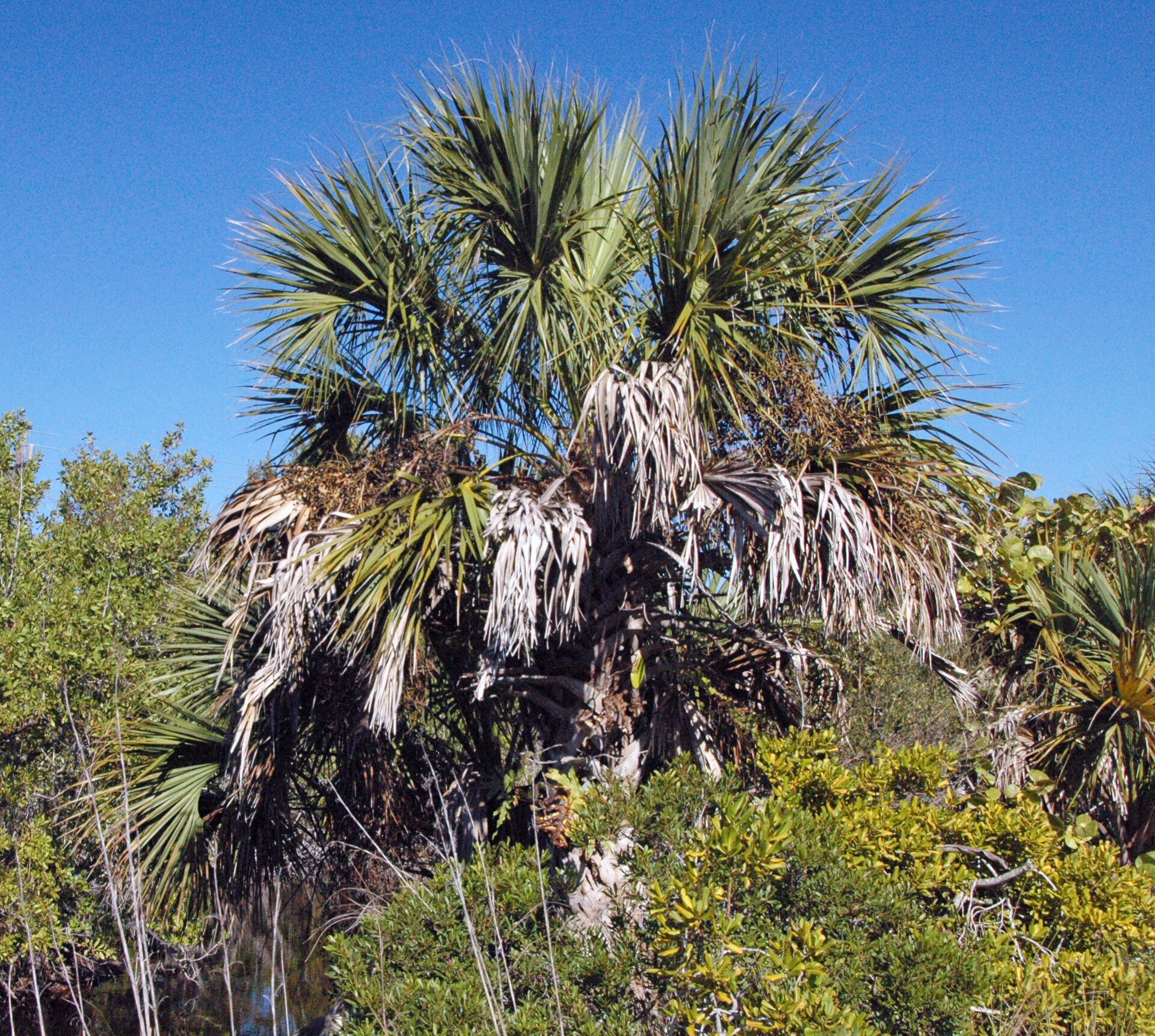
The new name referred to a feature any visitor could see from the river: a cove on the western side of the Indian River Lagoon, bordered by sabal palms, near what’s now the eastern foot of Palm Bay Road. The cove still exists. The palms are still there.
What the locals wanted
By 1923, Florida’s land boom was visible from inside Brevard County. Subdivisions were going in around Cocoa, Eau Gallie, and Melbourne. Lots that had been priced at $25 in 1915 were trading hands for $1,500 in 1924. Local landowners and merchants understood that the town’s name was a real obstacle to participation.
Tillman was the name of a postmaster nobody who mattered, in terms of out-of-state buyers, would recognize. Florida’s boom marketing depended on names that evoked Florida: the tropics, palms, beaches, sun. Tillman sounded like an Alabama crossroads. Palm Bay, in 1923 marketing terms, sounded like money.
The petition to change the name appears to have moved through the standard channel: a request to the U.S. Post Office Department, supported by local property owners, processed through Florida’s congressional delegation. The post office name changed in 1925.
What Palm Bay referred to
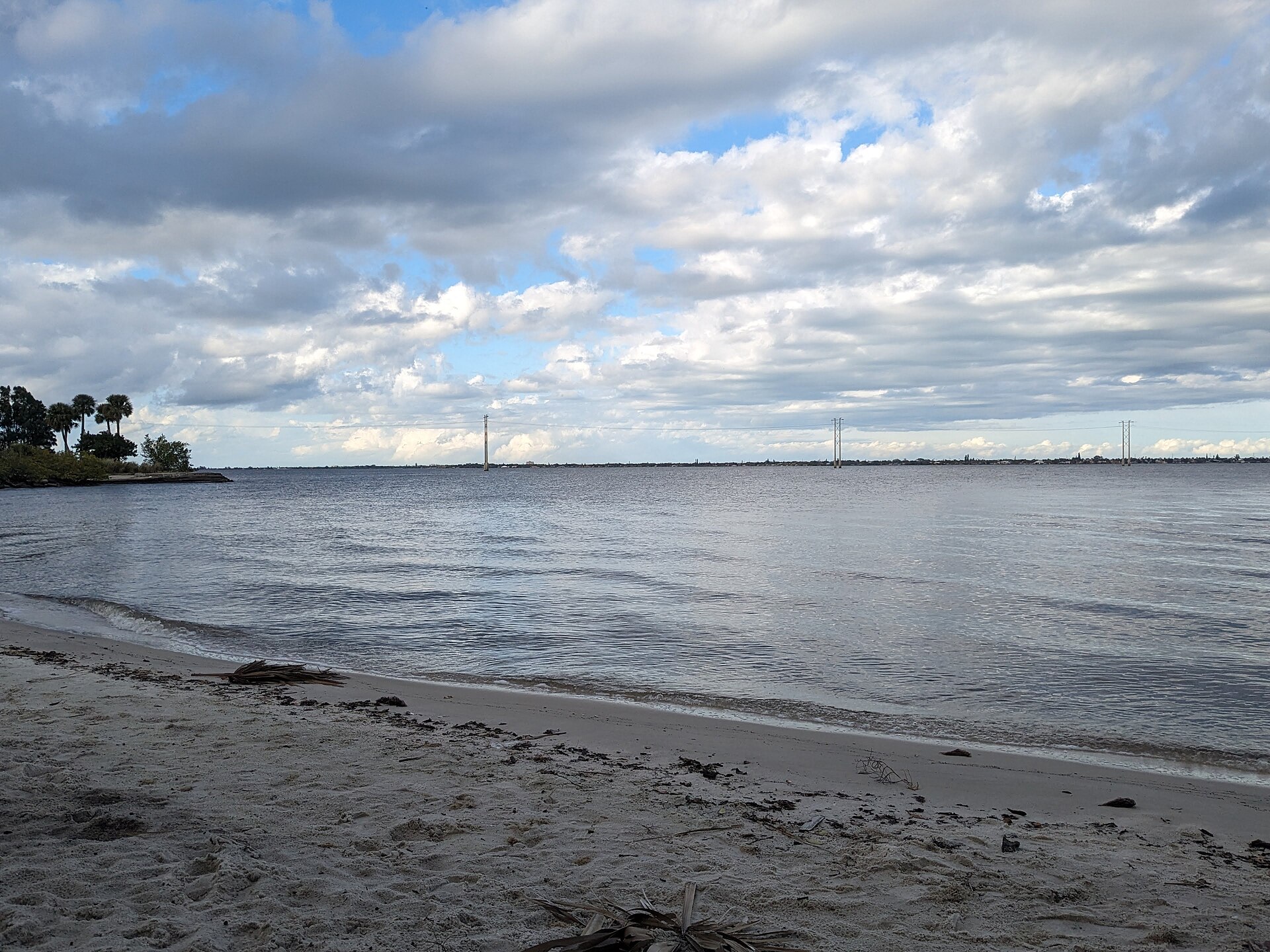
The bay was real, in a literal physical sense. On the west bank of the Indian River, roughly between the present Palm Bay Road causeway and the mouth of Turkey Creek, the lagoon’s shoreline curves into a wide shallow inlet. Sabal palms grew along its margins. They still do, though many have been replaced or augmented over a century of shoreline development.
Sabal palmetto, Florida’s state tree, is the dominant native palm of the brackish-water transition zone between the lagoon and the inland flatwoods. They tolerate salt spray, occasional flooding, and the sandy soil. The species naturally borders the kind of shallow protected coves that Palm Bay sat next to.
The naming convention follows a Florida pattern from the period: descriptive geographic names that doubled as advertising copy. Palm Beach, established 1894, followed the same logic, naming the place after a coconut palm shipwreck on the barrier island that brought the trees inland. Palm Bay was a thinner version of the same idea, a working palm-bordered cove rather than a beach lined with introduced coconuts, but the marketing intent matched.
The 1925 timing
1925 was the peak year of the Florida boom. Miami’s population had roughly doubled since 1920. The Florida East Coast Railway was running 100-car freight trains south carrying construction materials, with 11-day backlogs at the Jacksonville switchyards. Brevard County’s land transactions had increased severalfold. Lots in subdivisions around Palm Bay were selling sight-unseen to northern buyers, many of whom never traveled to Florida to see what they had bought.
The Palm Bay name change made the town legible inside the boom market. Promotional maps and advertisements from 1925-1926 list Palm Bay among the southern Brevard subdivisions worth a northern buyer’s attention. Whether any significant amount of speculative lot-selling happened in Palm Bay itself during this window is unclear from the surviving records; the bigger boom-era developments in southern Brevard concentrated on the river side of Melbourne and on Indialantic, the beachside community across the lagoon.
The 1926 collapse
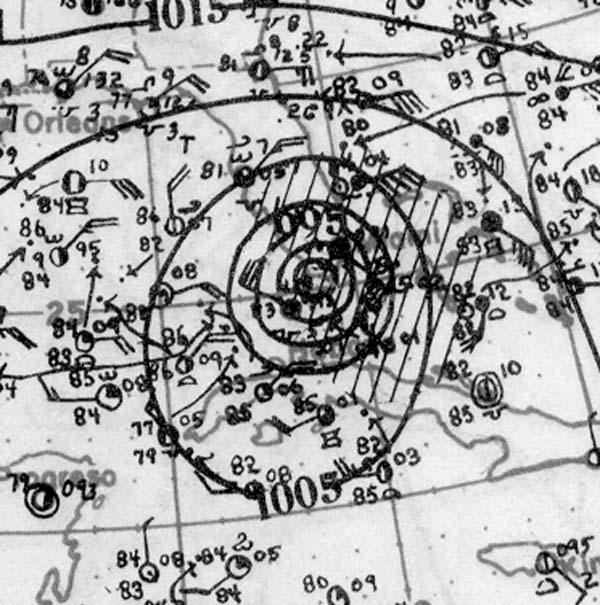
The boom broke in two stages. First, in early 1926, the Florida East Coast Railway hit operational gridlock. The railroad couldn’t move construction material south fast enough; northern buyers who’d paid for lots couldn’t get them developed; secondary markets in lot resales started seizing up. Then in September 1926 a Category 4 hurricane hit Miami directly, killed roughly 372 people, destroyed Miami Beach as it then existed, and shut down the boom’s emotional engine. Northern speculators stopped wiring deposits. Local banks tightened.
By 1927 the Florida land market was in collapse. By 1928 most of the speculation-era subdivisions across the state were either dissolved, foreclosed, or sitting unsold and unpaved.
Palm Bay’s boom-era growth, whatever it had been, stopped. The 1930 census recorded Palm Bay’s population at 372. The 1940 census recorded 305. The 1950 census recorded 596. For a quarter-century after the name change, the town that was supposed to be Palm Bay, the promotional version, was the same dwindling Tillman-era community with a new name on the post office.
Why the name stuck
The bust killed Palm Bay’s growth but not its name. The federal post office name, once changed in 1925, didn’t revert. Maps published in the late 1920s and 1930s show Palm Bay, not Tillman, even as the community itself shrank.
By the time Palm Bay’s next major event arrived, the General Development Corporation’s 1959 purchase of 41,000 acres west of the river, the name Palm Bay was three decades old and Tillman was a footnote in old deeds. GDC’s marketing for the new platted subdivisions used Palm Bay extensively. The name became inseparable from the city that emerged in the 1960s and 1970s.
The 1925 rebrand worked in the long run. Just not on the timetable its boosters expected.
The Melbourne-Tillman Drainage District
The 1925 rebrand happened against an infrastructure backdrop that mattered as much as the marketing. Between 1922 and 1926, Tillman businessmen organized the Melbourne-Tillman Drainage District, issued $1.5 million in bonds, and began digging a grid of 80 canals totaling 180 miles. The system was designed to drain roughly 40,000 acres of flatwoods west of Tillman for citrus, vegetables, and residential platting. Without that drainage, the inland country beyond the river ridge was unbuildable. With it, the area that became modern Palm Bay’s western half was suddenly developable on paper.
The canals were the precondition for everything General Development Corporation later built. GDC’s 1959 platting followed the drainage grid the district had cut decades earlier. The street pattern of 1960s and 1970s Palm Bay still reflects the right-of-ways the dredges established in the early 1920s.
The district itself did not survive the bust. A 1926 dredge fire and the September hurricane combined with collapsing bond markets to push the district into bankruptcy. Its physical infrastructure stayed in the ground. Its institutional structure was reorganized later as the Melbourne-Tillman Water Control District, which still operates the canals today.
The bond-funded canal grid is the most consequential thing that happened in Tillman during the boom era. It was happening under the old name, finished under the new one, and ultimately made possible the city Palm Bay became forty years later.
What the cove looks like today
The original bay is still recognizable. From the west foot of the Palm Bay Road causeway, the lagoon’s shoreline bends into the same shallow inlet that gave the town its name. Sabal palms still line the bank. Some are old enough that they were standing in 1925; sabal palmettos can live 200-300 years.
The water itself is in worse shape than it was a century ago. The Indian River Lagoon has been damaged by nutrient runoff, much of it from the GDC-era drainage canals that drained inland Palm Bay into Turkey Creek and the lagoon. Seagrass beds that once filled the cove are diminished. Oyster populations are down. The visual is mostly intact; the ecology underneath isn’t.
But the namesake is there. Palm Bay still has its bay and its palms, in the place the petitioners of 1923 pointed to when they argued that Tillman was the wrong name for what they wanted the town to become.
Further Reading
As an Amazon Associate we earn from qualifying purchases.