Hurricanes Frances and Jeanne hit Palm Bay, September 2004
In September 2004, two hurricanes made landfall in close succession on Florida's Atlantic coast and crossed directly over Palm Bay. Frances landed September 5; Jeanne landed September 25. Palm Bay's inland location did not protect it. Damage to housing, infrastructure, and trees was severe. Recovery took years.
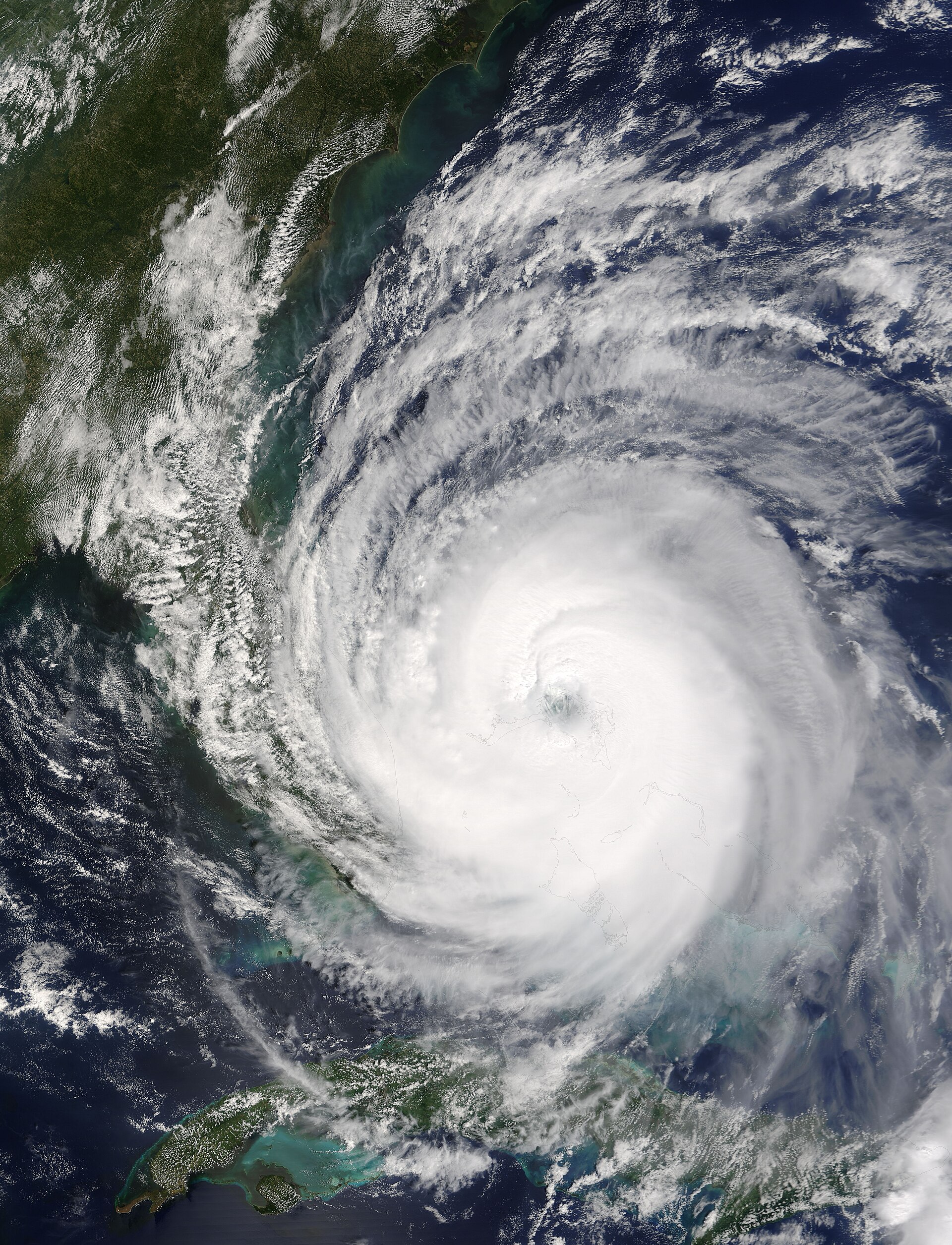
The 2004 hurricane season hit Florida four times. Charley in August. Frances on September 5. Ivan crossed Florida’s panhandle on September 16. Jeanne came back across central Florida on September 25-26.
For Palm Bay, the relevant storms were Frances and Jeanne. Both made landfall near Stuart in Martin County, roughly 70 miles south, and crossed northwest through the peninsula. Palm Bay sat almost exactly on Frances’s track and was hit again three weeks later by Jeanne. The cumulative damage was severe.
Frances, September 5, 2004
Hurricane Frances made landfall as a Category 2 storm at the Sewall’s Point area near Stuart around 1 AM on September 5, 2004. The storm had previously been a Category 4 over the Bahamas but weakened during its slow approach to the Florida coast. Landfall winds were estimated at 105 mph.
Frances was a slow-moving storm. Its slow forward speed meant that hurricane-force winds affected southeastern Florida for many hours. Sustained tropical-storm-force winds extended well north of the eyewall track, reaching into Brevard County including Palm Bay.
Palm Bay experienced sustained tropical-storm-force winds of 50-65 mph for an extended period, with gusts into the 80s mph. Rainfall totals ranged from 6 to 12 inches across the city, with the higher totals on the western, inland portions of Palm Bay.
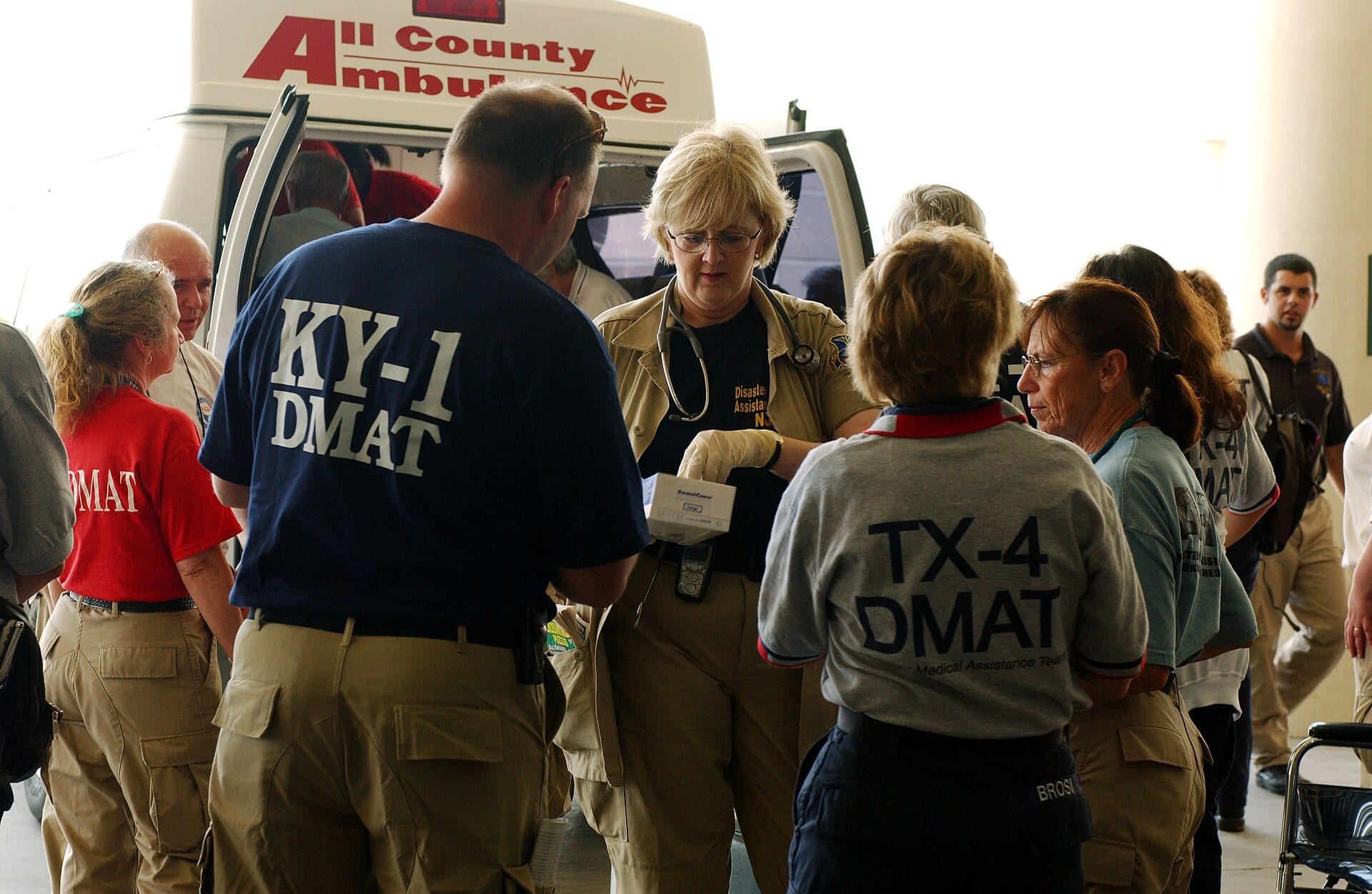
The damage in Palm Bay was significant but, in the context of central Florida hurricane damage, not the most severe in the affected zone. Roof damage was widespread, with shingle loss and partial roof failures affecting thousands of homes. Tree damage was extensive; the saturated soils after extended rain combined with the high winds dropped many large trees. Power outages were widespread and lasted, for some neighborhoods, more than a week.
Jeanne, September 25-26, 2004
Three weeks later, Hurricane Jeanne made landfall in almost the same location as Frances. Jeanne was stronger at landfall, a Category 3 storm with winds estimated at 120 mph. The track again carried the storm northwest across central Florida.
The Palm Bay experience of Jeanne was, in some respects, worse than Frances. The city was already weakened: damaged roofs from Frances had not been fully repaired; downed trees from Frances had been partially cleared but the soils remained saturated; many residents were still living with tarps, generators, and partial electricity. Jeanne’s higher winds and continued heavy rain hit a city already compromised.
Wind gusts in Palm Bay during Jeanne reached the 100 mph range. Rainfall totals during Jeanne added another 6-10 inches to the Frances totals. The cumulative effect was a degree of damage that significantly exceeded what either storm would have produced on its own.
The damage in detail
The 2004 hurricanes damaged approximately half of Palm Bay’s housing stock to some degree. Major damage, structures requiring extensive repair or rebuild, affected an estimated 5-10% of homes. The Brevard County damage assessment, completed in the weeks after Jeanne, identified thousands of Palm Bay properties requiring FEMA-eligible repair assistance.
Infrastructure damage was substantial. Power infrastructure, particularly distribution lines, was extensively damaged. Florida Power & Light and other utility providers mobilized large restoration crews, but parts of Palm Bay were without electricity for two weeks or more after Jeanne.
The drainage canal system was tested by the combined rainfall. The system handled the load without catastrophic failure, which is significant given the total water volume involved. Some streets in lower-elevation neighborhoods experienced flooding during the peak rain periods, but the canals discharged the water within days rather than weeks.
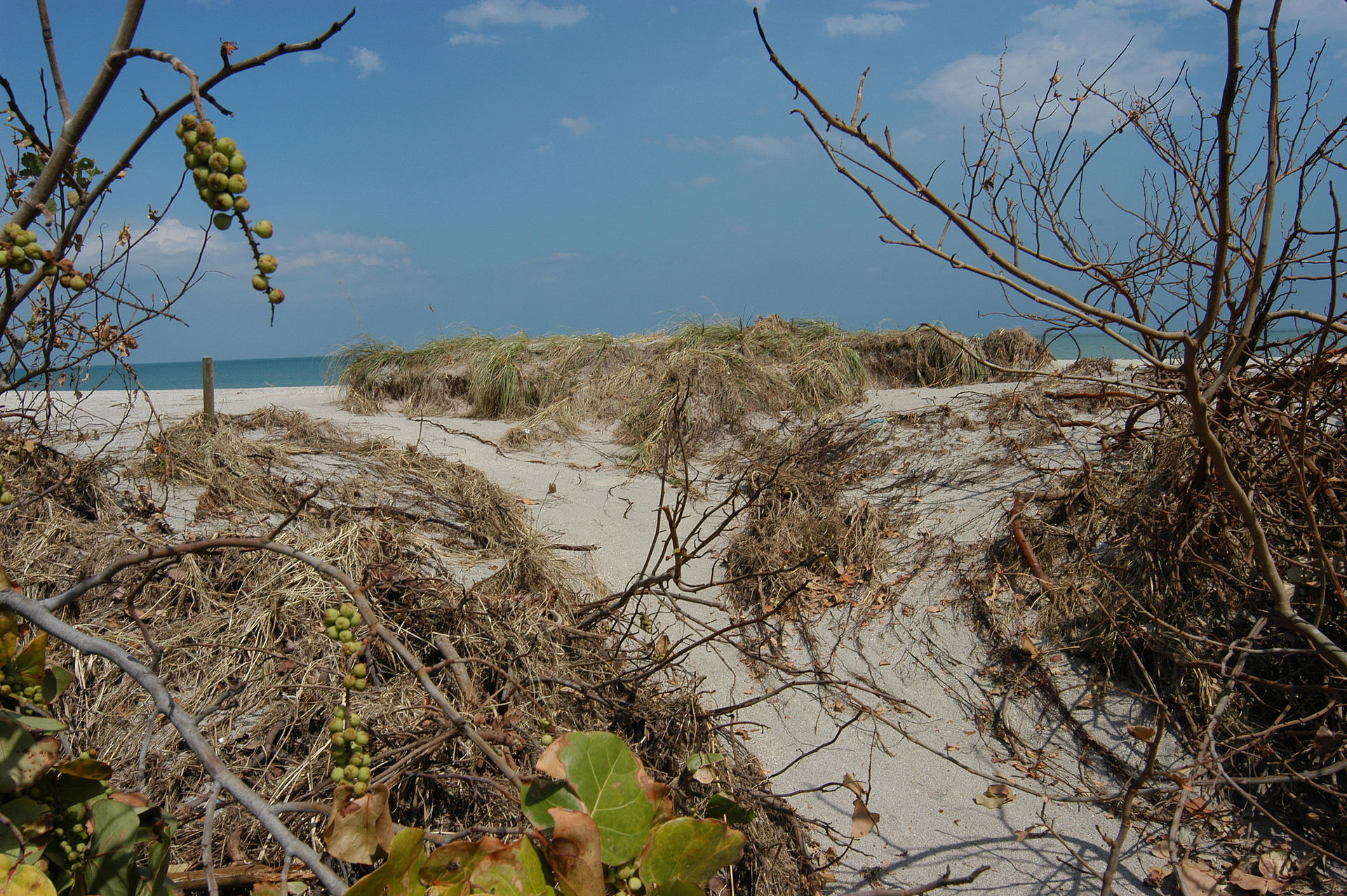
Tree damage was the most visible permanent change. Palm Bay’s mature canopy, particularly the cypresses and live oaks along the older streets and the slash pines in the GDC subdivisions, was significantly thinned. Many large trees that had survived to 2004 did not survive the combined storms.
The recovery
Federal disaster declarations covered the affected counties under FL-1545-DR (Frances) and FL-1561-DR (Jeanne). Brevard County, including Palm Bay, was eligible for both individual and public assistance. FEMA grants, SBA disaster loans, and insurance proceeds funded most of the residential and commercial rebuild.
The rebuild process took years. Some Palm Bay homes were under tarps for months waiting for roofers; the surge in demand for roofing and construction services across central Florida exceeded available supply. Insurance claims processing was slow. The Florida insurance market itself was reshaped by the 2004 season’s aggregate losses; multiple Florida property insurers exited the state or reduced their books in the years that followed.
By 2006-2007, most visible Palm Bay damage was repaired. Some residual issues, mold, partial repairs not properly completed, foundation problems exposed by the saturation, persisted longer. A subset of Palm Bay homes that suffered major damage in 2004 were never fully restored before being sold, demolished, or rebuilt by subsequent owners.
What changed afterward
Building codes were tightened across Florida after 2004. New construction in Palm Bay since 2005 has been built to stricter wind-load and impact-resistance standards. Storm shutters and impact-resistant windows became standard on new homes; many older homes have been retrofitted.
Insurance practices changed. The mainstream insurers that had been the standard property insurance market in Palm Bay before 2004 reduced their exposure substantially. Citizens Property Insurance Corporation, the state-backed insurer of last resort, expanded its Palm Bay book significantly. The cost of property insurance in Palm Bay roughly tripled between 2003 and 2008. Some of that increase has eased over time, but Palm Bay homeowners’ insurance costs remain elevated compared to the pre-2004 baseline.
The city’s emergency management capability was upgraded. Generators, shelter operations, communications, and recovery coordination were strengthened. The city’s emergency operations center, which had operated during 2004 but at limited capability, was rebuilt and modernized.
Why the inland location didn’t help
Palm Bay sits roughly four miles inland from the Atlantic Ocean. The conventional wisdom about hurricane risk in Florida is that coastal locations face more risk from surge and immediate landfall conditions while inland locations face less. The 2004 season demonstrated the limits of that distinction.
Frances and Jeanne both retained hurricane or strong tropical-storm intensity well inland of their landfall points. Palm Bay’s location, far enough inland to be largely free of coastal storm surge but directly in the wind field of both storms, experienced the full wind and rain impact without the surge.
This is the structural risk for inland central Florida cities. They don’t flood from ocean surge, but they do experience hurricane-force winds at full intensity when storms cross the peninsula. The inland location reduces total hurricane risk only modestly; it changes the type of risk rather than eliminating it.
The 2004 lesson, for Palm Bay specifically, was that the city is a hurricane city. It is not as exposed as Miami Beach or as the barrier islands of Brevard County, but it is not protected by its inland position to the degree some residents had assumed. Frances and Jeanne reset the local understanding of that risk. Subsequent storms, including the 2017 Irma passage and the 2022 Ian passage, have reinforced rather than changed the post-2004 understanding.
What remains visible
Two decades after Frances and Jeanne, the visible signs of 2004 in Palm Bay are scarce but present. The thinned tree canopy is the most enduring. Mature trees lost in 2004 have been replaced in many places, but the replacements are 20 years younger and smaller than the trees they replaced. The neighborhoods that had mature canopy in 2003 do not have mature canopy now.
Roof replacements from the 2004-2006 era are reaching the end of their service life. Some Palm Bay homes are on their second post-2004 roof now. The construction-quality improvements made post-2004 show up in the differential damage from later storms; homes built to post-2004 codes have generally weathered Irma and Ian better than homes still on pre-2004 envelopes.
The hurricane risk has not changed. The 2004 season demonstrated what a multi-storm year can do to a Florida city; the lesson is permanently in the city’s institutional memory and in the building stock.
Further Reading
As an Amazon Associate we earn from qualifying purchases.