General Development Corporation buys Palm Bay, 1959
In 1959 General Development Corporation purchased roughly 41,000 acres west of the Indian River and launched what would become the largest planned subdivision in Florida history. The company sold lots by mail to out-of-state buyers, drained 40,000 acres of swamp, and reshaped southern Brevard County completely.
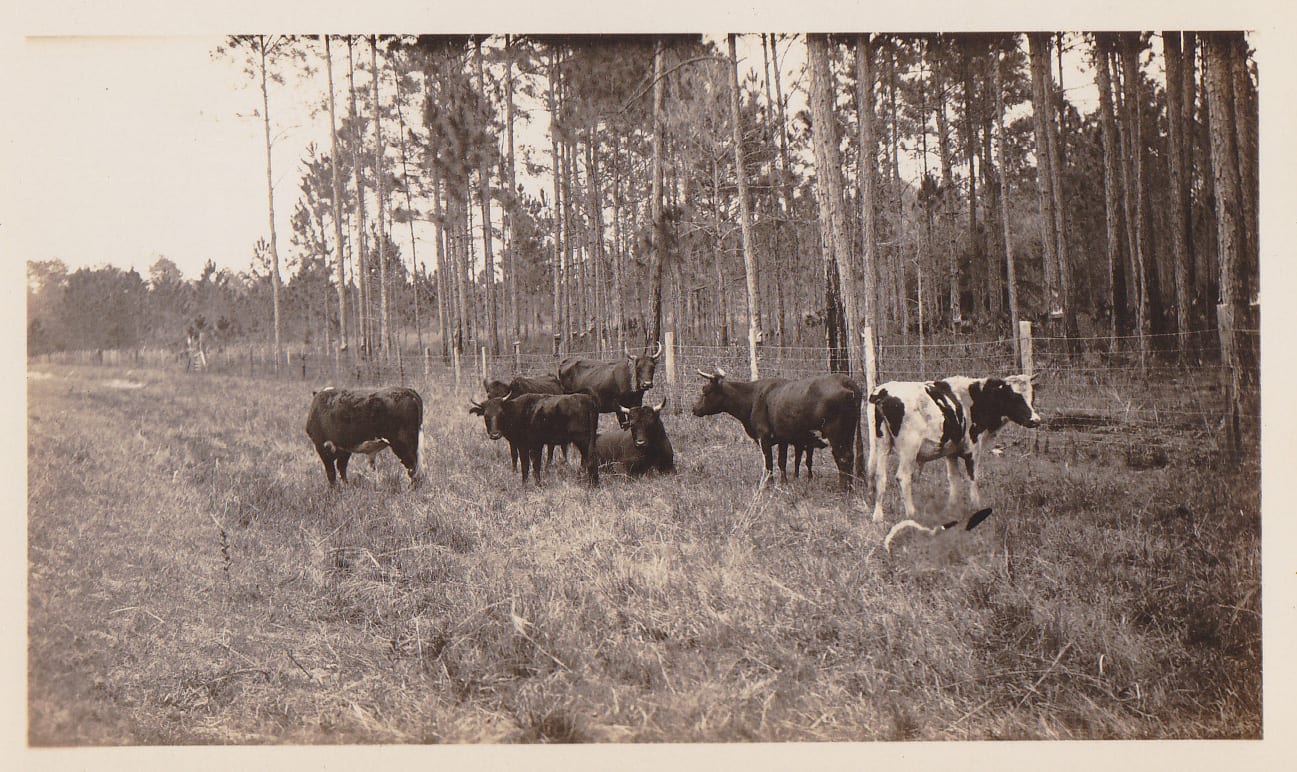
In 1959 General Development Corporation paid approximately $1.7 million for 41,000 acres of pine flatwoods, palmetto scrub, and seasonal swamp west of the Indian River in Brevard County. Most of the land was sub-marginal cattle pasture, parts of it were unusable wetland, and almost none of it had ever been developed.
GDC turned that land into Port Malabar, the planned development that would eventually contain dozens of platted subdivisions covering the western and southwestern footprint of modern Palm Bay. The acquisition was the single defining act of Palm Bay’s 20th-century history. Without it, the city would have stayed a thousand-person citrus town.
Who GDC was
General Development Corporation was incorporated in Florida in the late 1950s by the Mackle brothers, Frank, Robert, and Elliott, three Miami-based developers who had built their reputation on Florida subdivision sales since the 1940s. They had earlier developments at Marco Island and Port Charlotte. Their business model was specific: buy raw, cheap, undeveloped Florida land in large blocks, plat it into thousands of small residential lots, and sell those lots on installment plans to out-of-state buyers.
GDC went public in 1958, listing on the American Stock Exchange. The public listing gave the company access to capital markets and made its quarterly land-sales numbers a matter of SEC disclosure. The Palm Bay acquisition was financed in part with stockholders’ money raised through the public markets.
The Mackle brothers’ Port Malabar acquisition was the largest of their projects to that point. Marco Island had been about 12,000 acres. Port Charlotte was bigger but acquired in stages. Palm Bay’s 41,000 acres in a single 1959 deal was a step-change in scale for the company.
What they bought
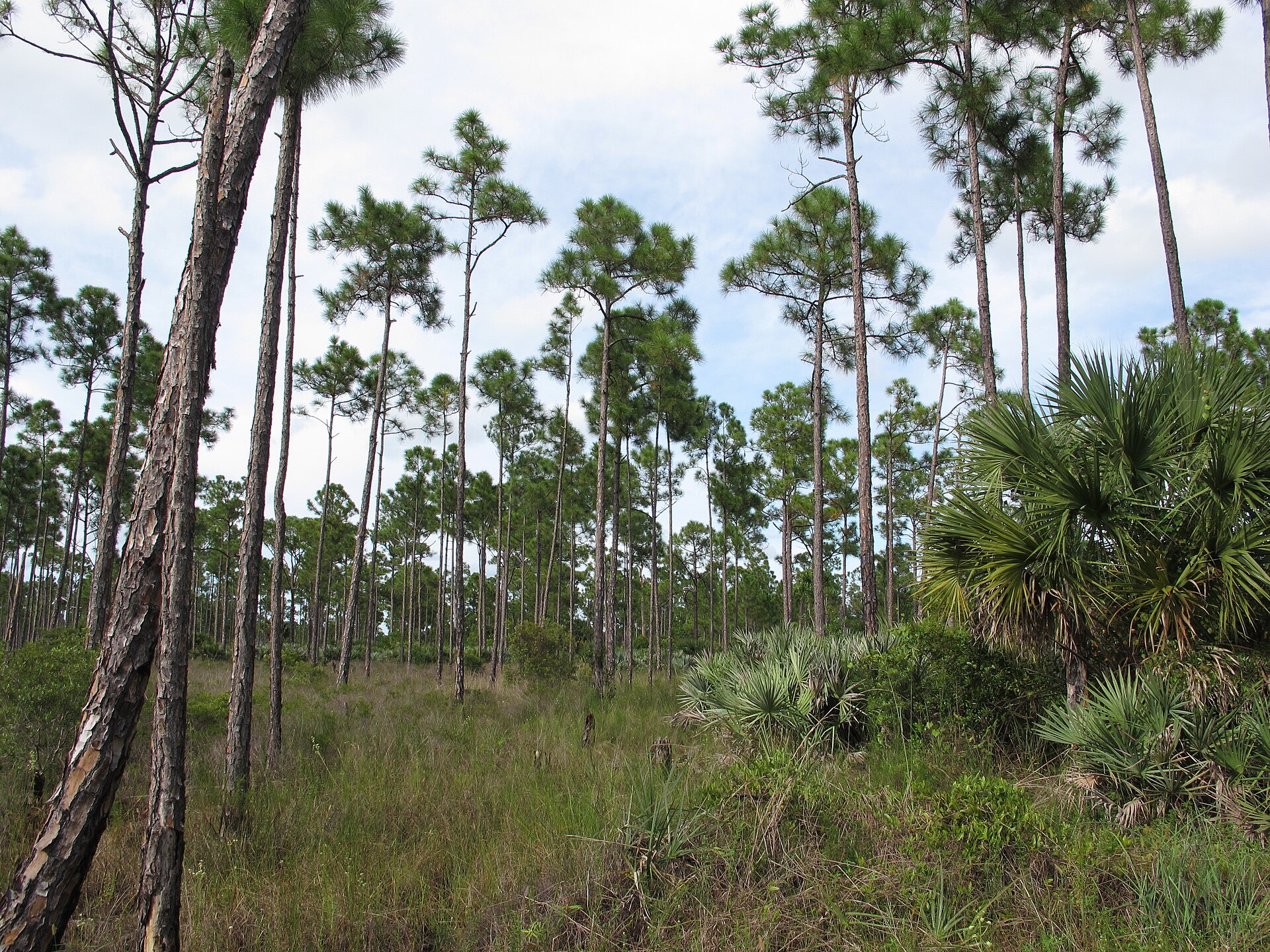
The land GDC acquired was, in 1959, almost entirely undeveloped. The pre-existing town of Palm Bay, with its 1925 name and its sub-1,000 population, sat on the eastern edge of the parcel near the Indian River. West of the town, running miles inland toward what would later be I-95, the land was flatwoods, palmetto, and seasonal wetland.
Most of the parcel was in private hands but had been held as cattle pasture or speculative timber. The 1894 freeze had killed most of the citrus that had been planted in the area; subsequent decades had returned the land to scrub. Drainage was poor. Roads were few, and the ones that existed were unpaved sand tracks. The east-west connection from U.S. 1 inland was rudimentary.
The land had two attributes that mattered for GDC’s business: it was cheap, working out to roughly $40 per acre, and it was contiguous, allowing a single coherent plat to span tens of thousands of lots.
The marketing operation
GDC sold Palm Bay lots through a national direct-mail and in-person sales operation that operated for roughly three decades after the 1959 acquisition. The basic offer was simple. A buyer in Ohio, Pennsylvania, New York, or anywhere in the eastern half of the country would see a magazine ad or get a mailer offering a Florida lot, typically 1/4 acre, for $10 down and $10 per month. The total price was usually around $1,500 to $2,500, paid out over 10 years.
The buyer signed an installment contract. The buyer was not required to visit the property before buying. The buyer was not required to ever build on the property. GDC retained the underlying land deed; the buyer received a contract for deed, with title transferring only when the full purchase price was paid.
This is the model that became known, in federal regulatory parlance, as installment land sales or pre-construction subdivision sales. It is now heavily regulated. In 1959 it was not.
Why people bought
The pitch worked because it tapped into a real and growing American demand for Florida property in the postwar period. The Sun Belt migration was beginning. Northern retirees were moving south. Florida’s reputation as the natural endpoint of retirement migration was being built. A $1,500 lot, payable over 10 years, looked like a reasonable hedge against future retirement housing costs, even for a buyer with no immediate plans to move.
GDC’s marketing emphasized the upside: appreciation, future infrastructure, the planned community, the Florida lifestyle. The marketing did not emphasize, and frequently obscured, the structural problems with the model: that most lots would never have utilities, that the secondary market for resale was thin to nonexistent, that the company’s promises about future amenities were not contractually binding, and that the buyer’s installment payments were not, by themselves, building meaningful equity until the full purchase price was paid.
The drainage problem
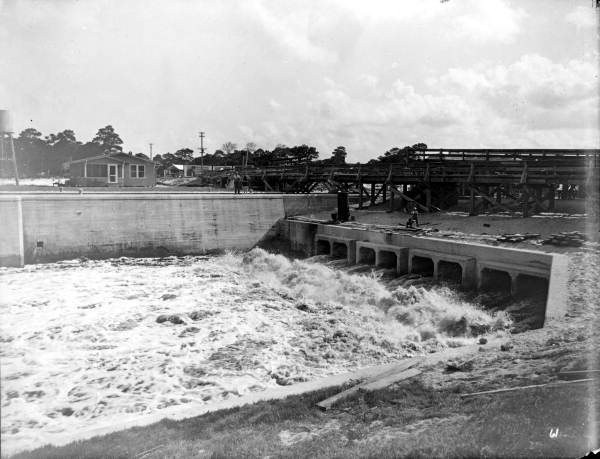
A significant portion of the Palm Bay tract was seasonal wetland. To make the lots buildable, even nominally, GDC had to drain the land. The company expanded an existing 1922-era drainage canal system, eventually building out roughly 180 miles of canals across the parcel. The canals drained about 40,000 acres of swamp, dropping the water table sufficiently to allow construction on most of the platted lots.
The drainage worked, in the narrow sense that it made the land buildable. The environmental consequences ran in two directions. First, the canals dewatered the inland flatwoods, eliminating most of the ephemeral wetlands and the wildlife that depended on them. Second, the canals discharged nutrient-laden water directly into Turkey Creek and the Indian River Lagoon, contributing to the long-term decline of lagoon water quality that’s still a focus of state regulatory attention.
The 180-mile canal grid is the largest single permanent alteration of southern Brevard County’s hydrology. It remains in place. The city now manages a portion of it; the St. Johns River Water Management District oversees broader basin issues.
The pace of building
GDC sold lots much faster than the lots actually got built on. In Palm Bay’s case, the company platted tens of thousands of residential lots through the 1960s and 1970s, but actual home construction lagged by decades. The 1960 census recorded 2,808 Palm Bay residents. The 1970 census recorded 6,927. The 1980 census recorded 18,560. The 1990 census, after GDC’s bankruptcy, recorded 62,632.
In other words: GDC sold a much larger inventory of lots than ever got built. By the late 1980s, thousands of Palm Bay lots remained vacant, owned by out-of-state buyers who had paid through their installment contracts but who never built. Some of those lots are still vacant today. The street grid GDC platted reaches out into what’s still partially undeveloped flatwoods on Palm Bay’s western edge.
The 1990 collapse
GDC’s business model unraveled in the late 1980s under the combined pressure of federal investigations into land sales fraud, customer lawsuits over unfulfilled amenity promises, and a slowdown in installment-contract sales as the model lost its appeal in a more sophisticated real estate market.
In 1990 GDC filed for Chapter 11 bankruptcy. Federal prosecutors in the Southern District of Florida charged three GDC executives with fraud, focused on misrepresentations about lot values, the secondary market, and the actual cost relationship between contract prices and undeveloped-land values. The executives pleaded guilty in 1990 and received prison sentences. The bankruptcy reorganization took years.
By the time the dust settled in the mid-1990s, GDC as a coherent business no longer existed. Successor entities took over remaining lot inventories. Many out-of-state buyers were left with worthless contracts.
What’s still there
Most of Palm Bay’s western and southwestern street grid is GDC platting. The arterial pattern, the lot dimensions, the right-of-way widths, all of it traces to the 1959-1980 GDC era. The city’s current building activity, where it’s happening on those original GDC lots, is filling in a grid that was designed sixty-five years ago for a different real estate model.
The drainage canals are still there. The wetland that was drained is still drained. The Indian River Lagoon still receives the runoff. And the population growth GDC kicked off has continued: Palm Bay passed 100,000 residents around 2010 and is now the largest city in Brevard County.
The Mackle brothers got what they wanted. They built a Florida subdivision at unprecedented scale. They sold lots to more than 100,000 buyers across the country. The model collapsed under federal scrutiny three decades later, but the streets they laid out remain the street grid of Palm Bay.
Further Reading
As an Amazon Associate we earn from qualifying purchases.