Indian River City: what Palm Bay was almost called in the 1950s
Between Tillman and modern Palm Bay there was a brief mid-century episode when the community considered renaming itself Indian River City. The name appears in some 1950s records but never fully took. By 1960, when General Development arrived, Palm Bay was back.
There’s a thin episode in Palm Bay’s naming history that doesn’t usually get told: in the mid-1950s the community considered, and in some local-government documents informally used, the name Indian River City. The name did not become official. By the time GDC’s 1959 purchase brought modern Palm Bay into being, the established name was Palm Bay, not Indian River City.
This is the least-documented chapter in Palm Bay’s name sequence. We treat it accordingly, with the caveat that the surviving record is thin and what we describe here may be amended as additional primary documents surface.
The 1950s context
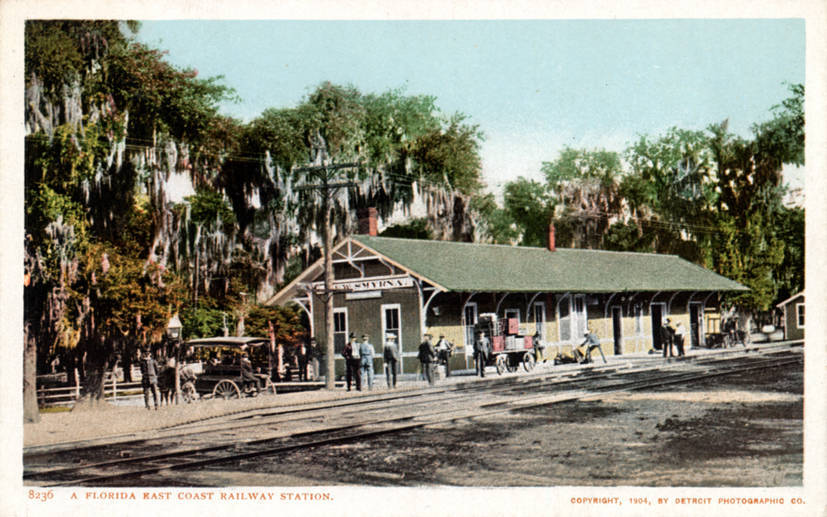
By 1950 Palm Bay had 596 residents, up from 305 in 1940. The community was still primarily agricultural, with citrus groves on the higher pine-flatwoods ridges west of the river and small-scale fishing on the lagoon side. The Florida East Coast Railway still passed through. The closest substantial commercial center was Melbourne, four miles north.
The Cold War’s arrival, specifically the postwar buildup at Patrick Air Force Base and the Cape Canaveral Missile Test Annex (later Cape Canaveral Air Force Station), was beginning to reshape Brevard County. Patrick AFB was activated in its modern form in 1950. The Cape’s first missile launch was July 24, 1950. Engineers, technicians, and support staff started arriving in numbers that would push Brevard’s population from 23,653 in 1950 to 111,435 in 1960, a nearly fivefold increase in a decade.
Most of that growth concentrated in Cocoa, Cocoa Beach, Titusville, and Eau Gallie. Palm Bay, further south and inland from the lagoon, was relatively untouched in the early 1950s. But the county’s demographic transformation gave local civic leaders reason to rethink their towns’ identities and marketing.
Where the Indian River City name came from
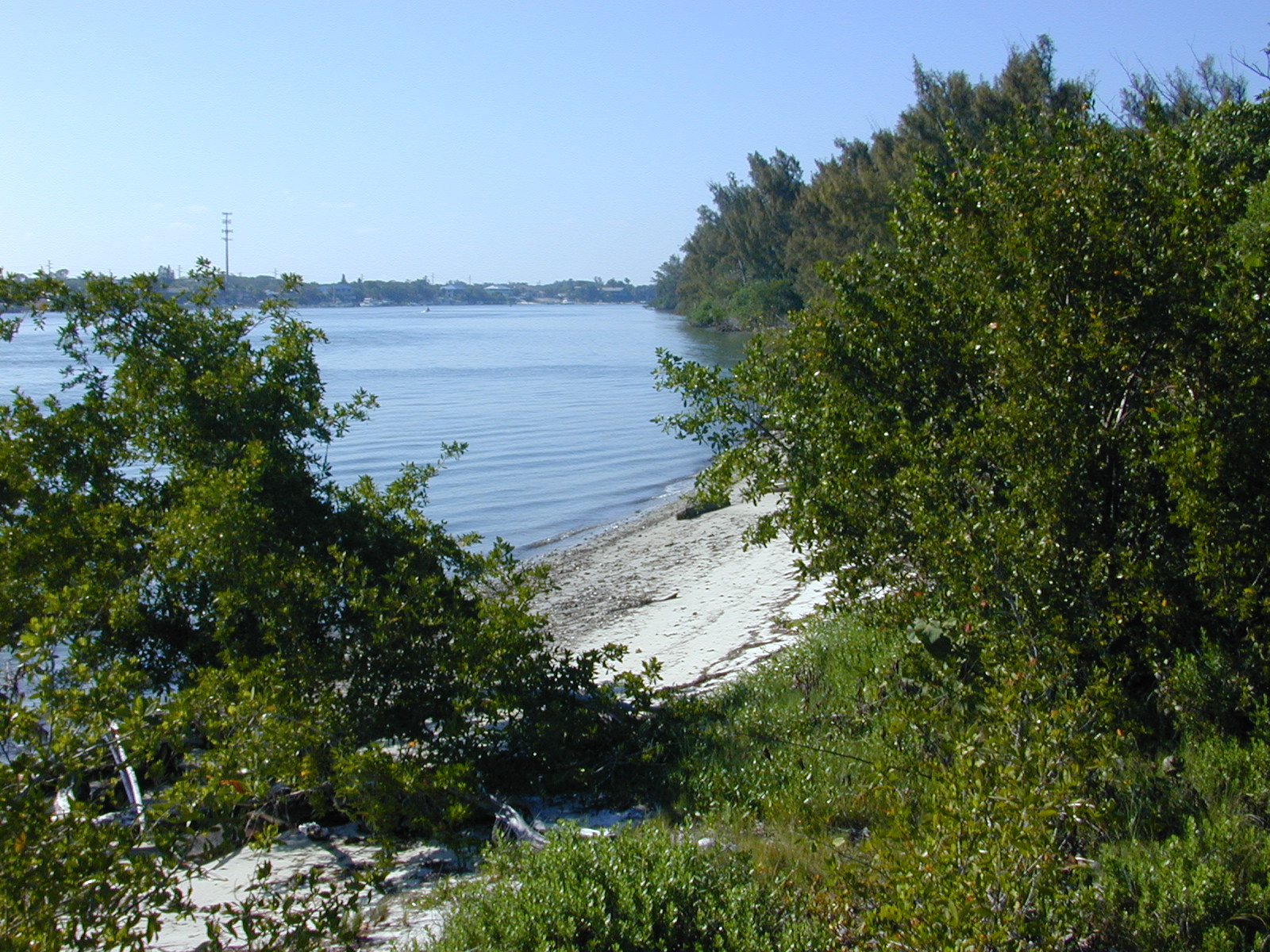
The Indian River Lagoon, despite its name, isn’t a river. It’s a brackish lagoon, 156 miles long, separating Florida’s east coast from a chain of barrier islands. Spanish-era maps labeled it Rio de Ays, after the Ais people who lived along its shores. English-era and American-era maps renamed it Indian River, a name that stuck even though it doesn’t describe what the water body actually is.
The name “Indian River” carried, by the 1950s, strong associations with the citrus industry. Indian River citrus, specifically grapefruit and oranges grown on the sandy ridges flanking the lagoon, had become a recognized premium category. The Indian River Citrus Growers Association, founded in 1930, had spent two decades building the brand. By the 1950s Indian River grapefruit was a marketing premium across the country.
For a Palm Bay community trying to capitalize on either the citrus brand or the lagoon’s general recognizability, “Indian River City” was a reasonable rebrand candidate. The same impulse that pushed Tillman to Palm Bay in 1925, name yourself something a northern buyer can place on a Florida map, ran through the 1950s discussion.
What actually got changed
The federal post office records do not show a Tillman/Palm Bay-to-Indian River City name change in the 1950s. The Palm Bay post office, established under the 1925 renaming, continued operating as Palm Bay throughout the decade.
What we can document from secondary sources is that some local civic and real estate materials in the mid-1950s used Indian River City as an alternative or aspirational name. The City of Palm Bay’s own published history refers to a 1950s renaming consideration but doesn’t elaborate the formal process or its termination. The 1960 incorporation papers, the foundational legal documents that established Palm Bay as a chartered Florida municipality, used the name Palm Bay.
In other words: the rename was discussed, may have been informally adopted in some non-federal contexts, and was abandoned before any formal change took effect. The Palm Bay name carried forward.
Why the rebrand didn’t take
Two probable factors. First, the federal post office change was a higher friction process by the 1950s than it had been in 1925. A community already 30 years into using a settled name needed strong cause for the Postal Service to approve a switch, and Palm Bay was no longer a freshly-renamed novelty community trying to claim its identity.
Second, GDC’s 1959 purchase pre-empted the question. When General Development Corporation announced the Port Malabar development of 41,000 acres west of Palm Bay, the marketing material standardized around Palm Bay as the town center reference, with Port Malabar as the subdivision name. Indian River City as an alternative civic name had no traction once GDC’s promotional apparatus was operating.
Where the name actually survived
Indian River City did become the official name of a community further north. The unincorporated settlement at the present-day intersection of U.S. 1 and SR 50 (Cheney Highway), just west of Titusville, was named Indian River City and operated under that name through much of the 20th century. The community was eventually annexed by Titusville and the name dropped in administrative use, though it survives in road names (Indian River City Boulevard) and in references to the Titusville-area neighborhood.
Brevard County, in other words, had two separate Indian River City episodes: a documented one near Titusville and a barely-documented one near Palm Bay. The Titusville version is the one most county historical materials reference when “Indian River City” comes up. The Palm Bay version is sparse enough in the record that it may be partly a confusion with the Titusville settlement, or it may be a real but minor episode that’s only loosely documented.
We note the ambiguity. The City of Palm Bay’s own history page is the source claiming a Palm Bay-area Indian River City discussion. We’ve taken the city at its word, while flagging that we haven’t located independent primary documents.
The 1960 settling of the name
When Palm Bay incorporated on January 16, 1960, the chartering documents used Palm Bay. The decision wasn’t reopened. From that point on, the city’s name was legally fixed.
GDC’s promotional materials throughout the 1960s and 1970s reinforced Palm Bay as the regional identity. The street grid that GDC platted, dozens of subdivisions across what’s now west Palm Bay, all carried the Palm Bay brand. Indian River City as an alternative was over.
What this episode tells us
The 1950s naming consideration is worth noting mainly because it shows the persistent local awareness that the town’s name was a piece of identity infrastructure that could be redesigned for marketing reasons. Tillman became Palm Bay for marketing reasons in 1925. The community considered another change in the 1950s for similar reasons. The pattern stopped only when GDC arrived and the name became too commercially established to swap.
A community’s name is rarely chosen by accident. It’s chosen by the people in the room when the post office paperwork gets filed. In Palm Bay’s case, that paperwork has been filed under two names in 75 years, with a third name briefly contemplated in between. The current name has held since 1925. Whether that’s because Palm Bay is genuinely the right name or because the threshold to change it became too high after a century of accumulated branding is a question the surviving records don’t fully answer.
Further Reading
As an Amazon Associate we earn from qualifying purchases.