Palm Bay's first Black community
Florida's Indian River coastal communities had Black residents from the early 19th century forward, with the Tillman/Palm Bay area's Black population growing through the citrus era, the railroad construction era, and the early 20th century. The community has been documented in census records, in church records, and in oral histories preserved by Florida's Black archives. The story is partial; many of the records are gone.
Florida’s east-coast communities had Black residents from the early 19th century forward. In the Tillman/Palm Bay area, the Black population grew through the citrus era (1870s-1890s), the Florida East Coast Railway construction era (1890s), and the early 20th century. The community sustained itself through agricultural labor, domestic service, and various small-business activities.
The records of this community are partial. Many of the materials that would document the day-to-day lives of Black Tillman/Palm Bay residents were not preserved at the time. The Florida Memory collection, FAMU’s Black Archives, the U.S. Census, and Brevard County Clerk of Courts records provide a partial reconstruction.
The agricultural labor context
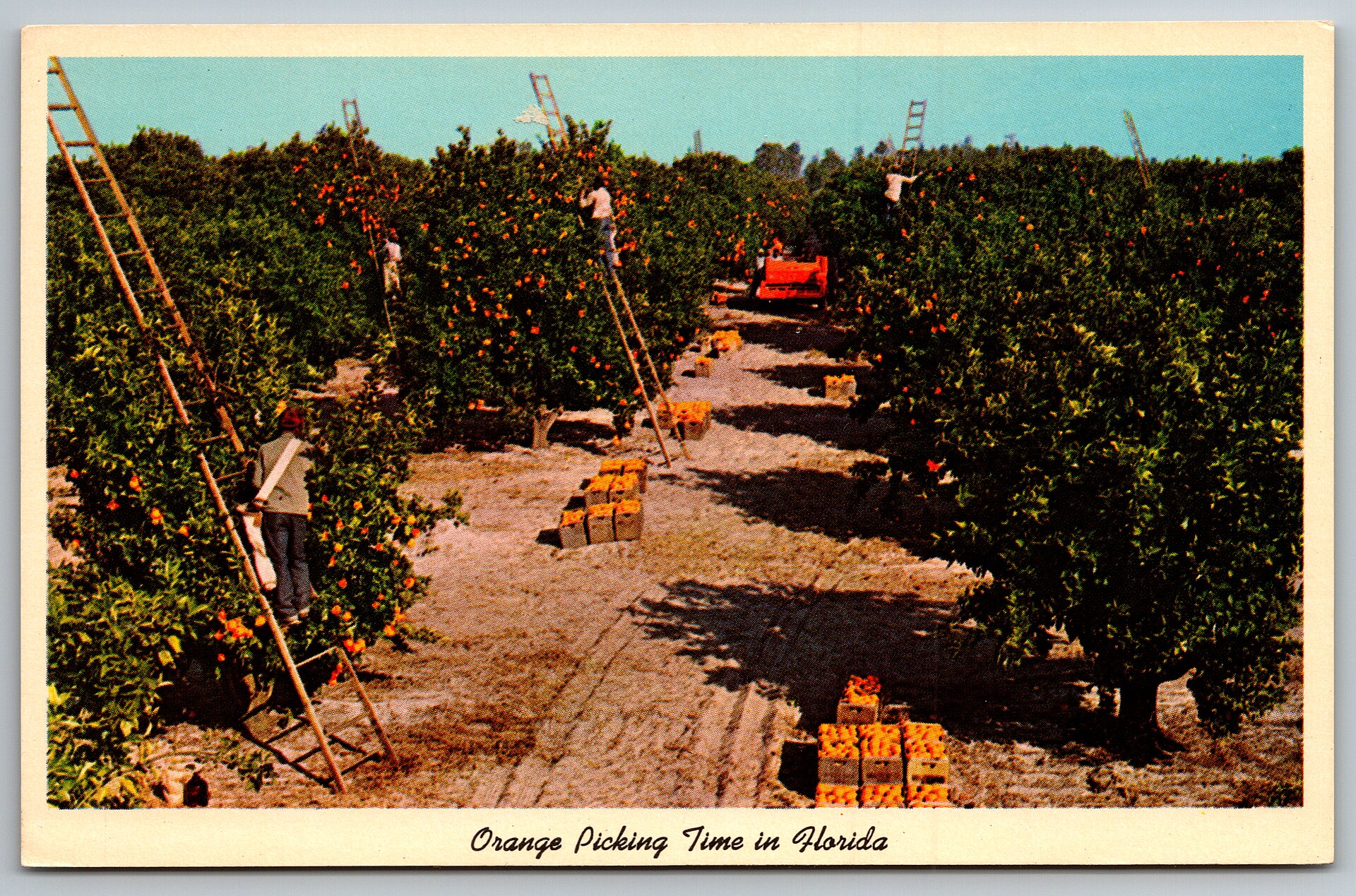
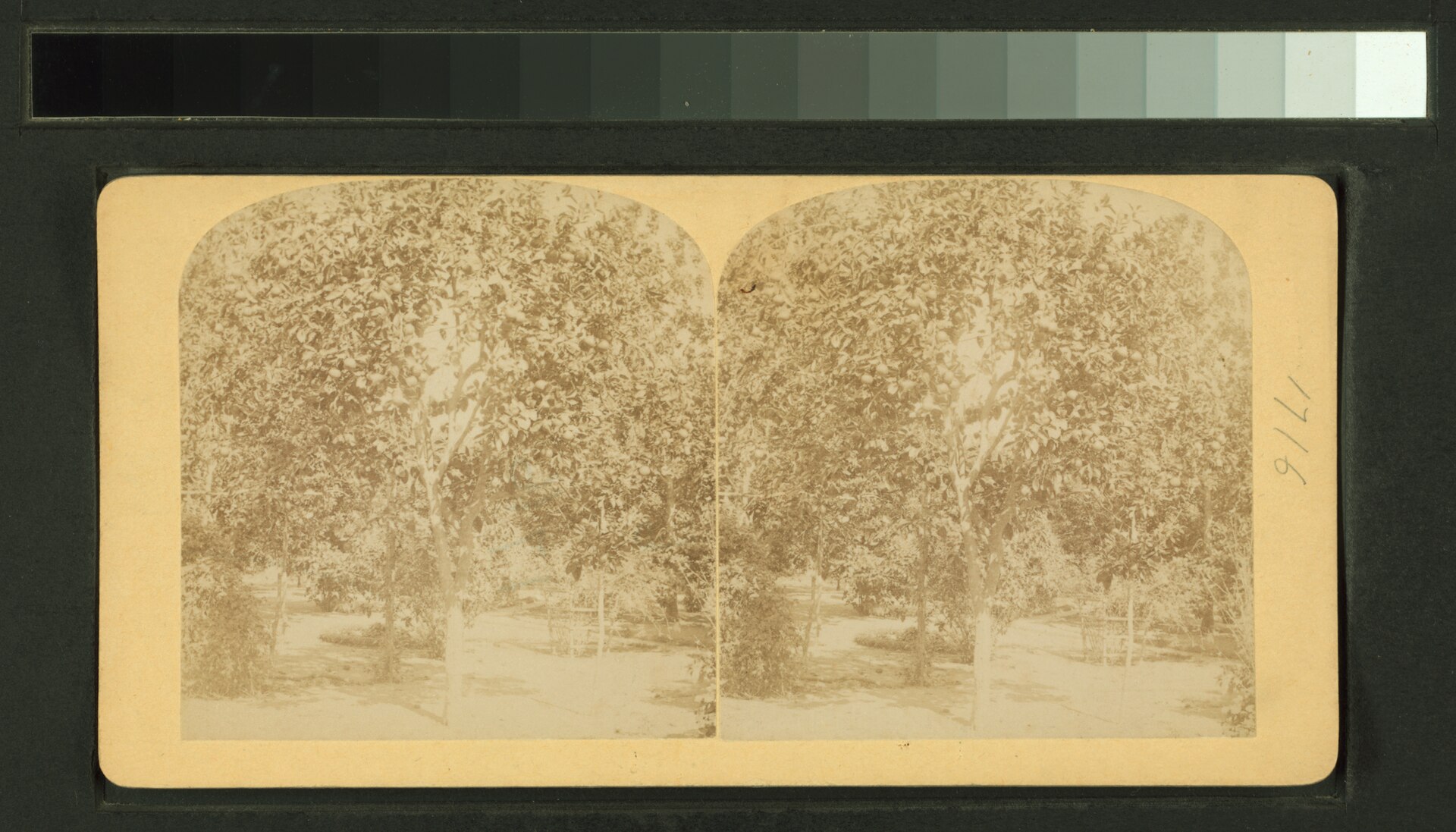
Florida’s citrus, pineapple, and vegetable industries from roughly 1870 onward employed substantial Black workforces. Workers were drawn from Florida’s existing Black population (many descended from slaves in pre-Civil War Florida) and from in-migration from Georgia, South Carolina, and other Southern states.
In the Indian River area specifically, Black workers were employed in citrus grove operations, in pineapple field labor, in packing house operations, and in the construction and maintenance work that supported the agricultural economy. Compensation was modest; the labor was hard; the housing was typically in segregated Black neighborhoods or in worker quarters provided by employers.
The 1894-1895 freezes that devastated central Florida citrus also disrupted the Black agricultural workforce. Many workers migrated south to Polk and Highlands counties when citrus operations consolidated there. Some workers stayed in the Indian River area, transitioning to other agricultural work or to non-agricultural employment.
The railroad construction era
The Florida East Coast Railway, Henry Flagler’s project that reached the Tillman area in 1894 and continued south to Miami by 1896, employed substantial Black workforces in track construction. Workers were brought from Florida and from other Southern states. The work was dangerous; injury and mortality rates among railroad construction workers were significant.
Some Black workers who came to the area through railroad employment stayed after construction was complete, settling in the established Black neighborhoods of communities along the rail line. The Tillman/Palm Bay area’s Black community probably included multiple workers and families who arrived through this channel.
The census record
U.S. Census records for the Tillman/Palm Bay area through 1880, 1890 (the 1890 records were largely destroyed by fire), 1900, 1910, 1920, and forward identify race and household composition. The pre-1960 records show a small Black population in the area, generally 10-30% of the total community population in various census years. Specific household compositions, occupations, and family relationships are documented at the household level in the census manuscripts.
Researching the specific Black families and individuals in Tillman/Palm Bay requires accessing the census manuscript records, which are available through the National Archives and through subscription genealogy services. Names, ages, occupations, and family structures are recorded; the records are detailed and informative for the years covered.
Churches and community institutions
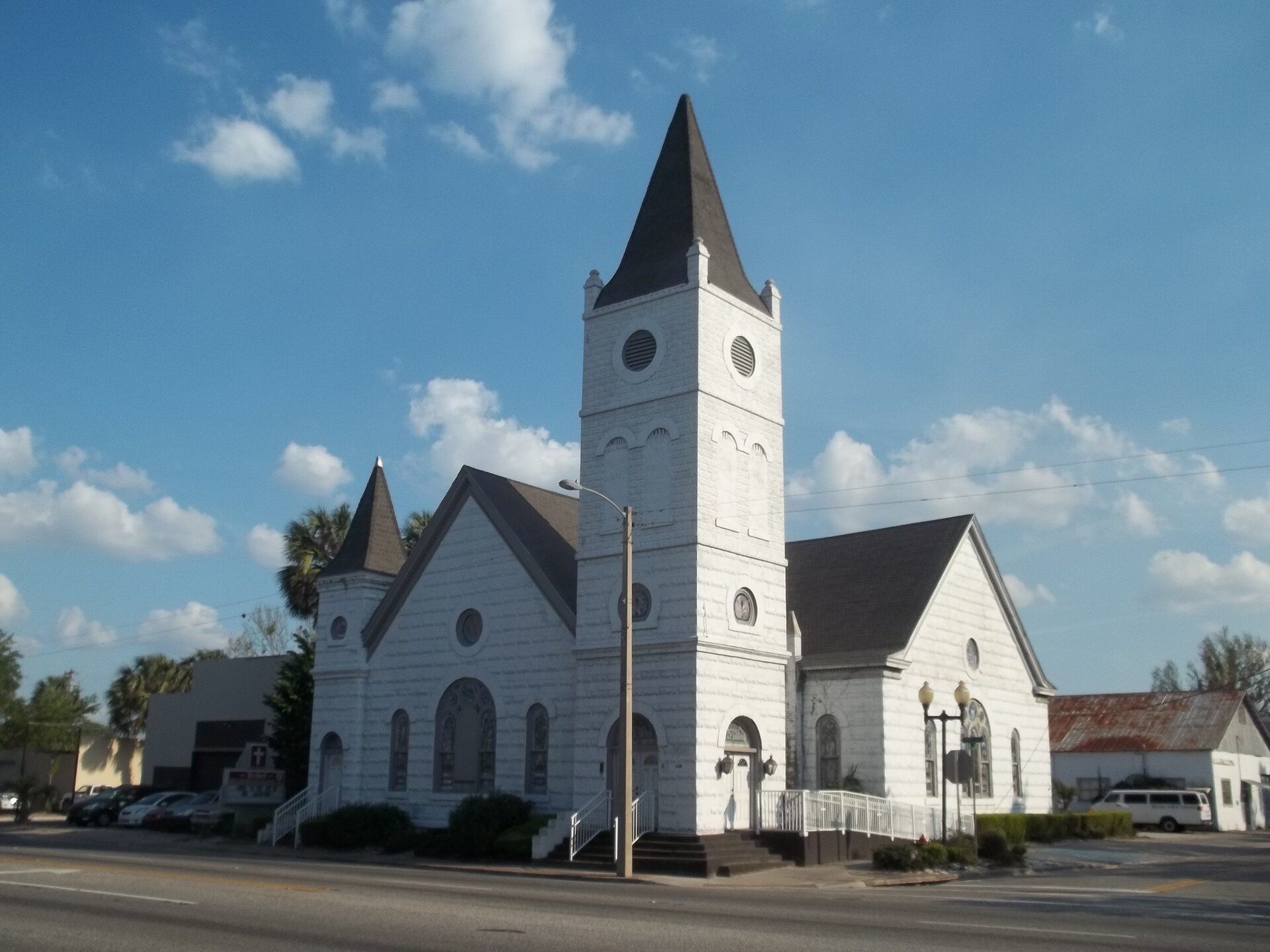
The Black community in the Tillman/Palm Bay area was anchored, as Black communities throughout the rural South were, by churches and the institutions surrounding them. Specific churches that served the community in the 1880-1959 period included variants of Baptist, Methodist, and African Methodist Episcopal traditions, with congregations meeting in various structures across the decades.
Church records, where they survive, are typically the most detailed records of Black community life in this period. Birth, marriage, death, baptism, and membership records preserved by surviving congregations provide a partial documentary basis for reconstructing community composition over time. Some Tillman/Palm Bay area Black church records have been preserved at the FAMU Black Archives; some have been lost.
Schools followed the same pattern. Black schools in the Tillman/Palm Bay area, segregated under Florida’s pre-1954 educational system, were typically small operations with limited resources, operating from church basements or small dedicated structures. School records are even more partial than church records; many were never centrally maintained and have been entirely lost.
The 20th-century pattern
The Black population in Palm Bay through the 20th century maintained a presence but did not grow at the rate the overall city’s population grew. By 1960, when the city incorporated and General Development was beginning to build, the Black community remained small. The 1970 census recorded approximately 2.5% Black population in Palm Bay. The 1980 census recorded approximately 4%.
The slow growth of the Black community in the GDC era reflected the marketing patterns of GDC’s lot sales. The company’s mailers and presentations were targeted predominantly at white northern buyers. Some Black families did purchase GDC lots and build in Palm Bay; the numbers were modest relative to total sales.
By 1990 the Black share of Palm Bay’s population had increased to approximately 6%. By 2000, approximately 10%. By 2010, approximately 14%. By 2020, approximately 18%. The pattern parallels the overall Florida and U.S. trend of increasing Black suburban population through the late 20th and early 21st century.
The contemporary community
Palm Bay’s current Black community is dispersed across the city in patterns similar to the Hispanic community’s dispersal. Some neighborhoods have higher Black concentrations than the city average, but no single neighborhood functions as a concentrated Black enclave on the scale of older urban Black neighborhoods in larger Florida cities.
The community’s institutions, churches, civic organizations, community service operations, are established and active. Palm Bay’s Black churches include congregations across multiple denominations and traditions. Civic organizations including NAACP-affiliated chapters and various community service operations engage in the standard range of activities.
The community’s economic profile is broadly similar to the city’s overall profile, with the typical range from working-class to upper-middle-class incomes and occupations. Educational attainment varies; outcomes for Black students in Palm Bay schools have been historically below district average on some measures, in keeping with broader Florida and national patterns.
The records that should exist
The Black community’s history in Palm Bay across 140+ years should, in principle, be supported by more documentary evidence than is currently accessible. Some of the gaps reflect choices made at the time (records not kept, oral history not formalized). Some reflect later losses (records destroyed by fire, hurricane, neglect). Some reflect the dispersal of materials across multiple archives and family collections.
A more complete reconstruction of Black Palm Bay history would require:
Systematic research at the FAMU Black Archives for materials specific to the Brevard County coastal communities.
Document collection from surviving Black churches in the Palm Bay area, with permission from the congregations.
Oral history interviews with long-resident Black families in Palm Bay.
Genealogy research connecting current Black Palm Bay residents to their ancestors in the Tillman/Palm Bay area.
Cross-referencing of census, church, and county records to build family-level chronologies across multiple generations.
None of this is impossible. None of it has been done at the scale that would produce a comprehensive history. The work remains to be done by local historical researchers, by families themselves, and by the kind of community-history projects that some Florida cities have undertaken in recent decades.
What’s clear, even with the gaps
The Black community in the Tillman/Palm Bay area has been continuously present for at least 140 years. The community contributed labor that built the agricultural economy, the railroad infrastructure, and the residential and commercial activities of multiple eras of the city’s history. The community has its own institutions, its own multi-generational families, its own contributions to the city’s overall identity.
The official history of Palm Bay, as published by the city and as commonly understood by current residents, does not adequately reflect this presence. The reasons are multiple, including the broader American tendency to underrepresent Black history in mainstream civic narratives, the specific record gaps that make detailed reconstruction difficult, and the practical reality that the city’s published materials have rarely prioritized this kind of historical depth.
This article is an acknowledgement rather than a full account. The full account is yet to be written. The records to support it exist in various states of preservation across multiple repositories, and the work to consolidate them into a comprehensive narrative will be a multi-year project that we have not done here. What we can say is that the community has been here, the community is still here, and the city’s history is incomplete without it.
Further Reading
As an Amazon Associate we earn from qualifying purchases.