Palm Bay schools, 1960 to now
When Palm Bay incorporated in 1960, it had one elementary school serving roughly 600 residents. The city now has dozens of public schools serving over 120,000 people, organized under the Brevard County School District. The growth track was set by GDC's lot sales and by the in-migration that followed.
Palm Bay’s school history is, in structural terms, a story of trying to keep up. The city’s population went from 2,808 in 1960 to roughly 120,000 in 2020. The Brevard County School District has been building schools in Palm Bay roughly continuously since the early 1960s and has yet to definitively get ahead of the demand.
This is not a unique Florida problem. Most fast-growing Florida cities have undersupplied school capacity for decades at a stretch. Palm Bay’s distinct feature is the scale and the duration: forty years of net population growth, most of it building on GDC-platted ground, has required forty years of district construction and operating-capacity expansion.
The 1960 starting point
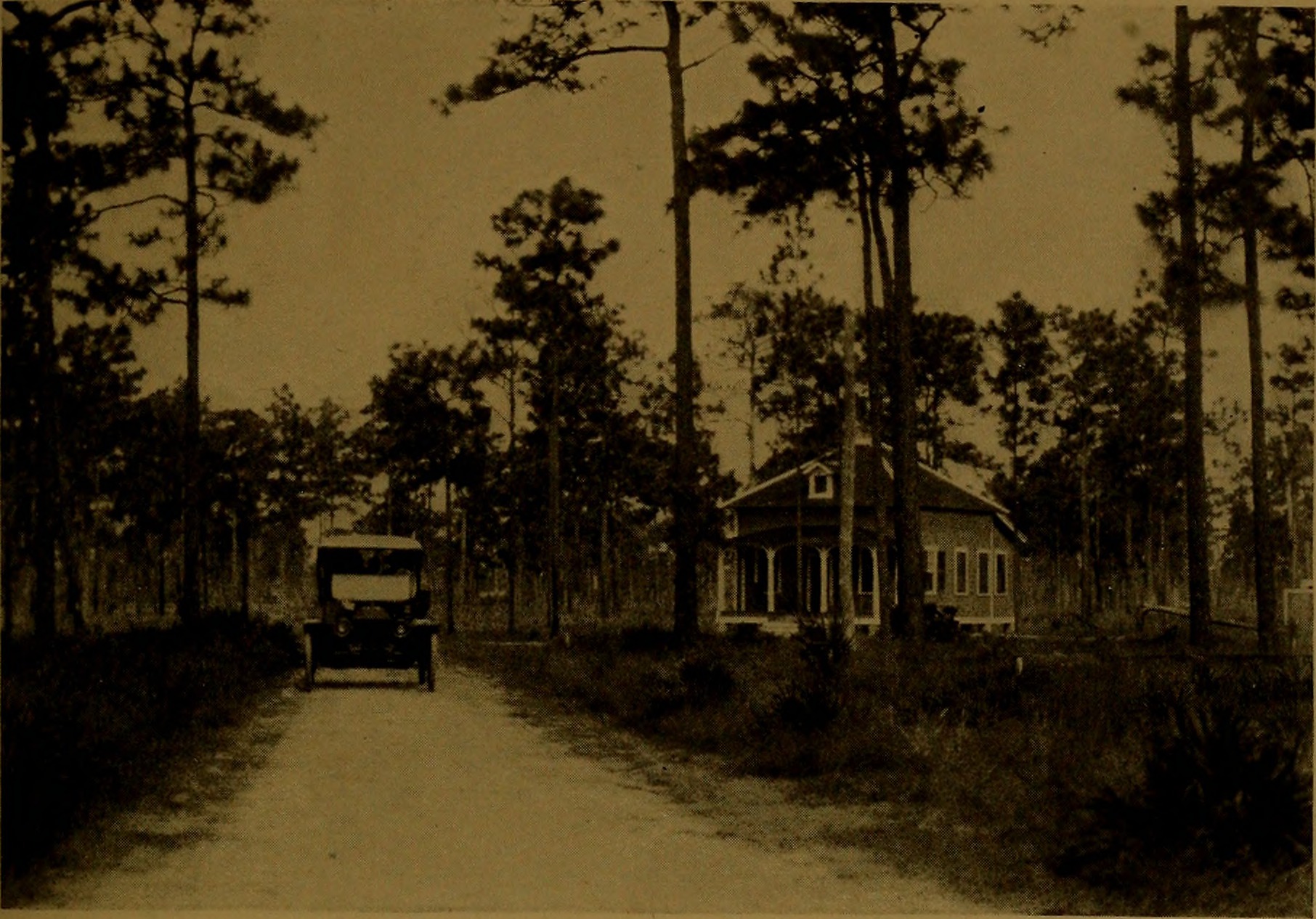
Pre-1960 Palm Bay was served by a single community-scale school structure dating back to the Tillman era. By 1960 the school operated under the Brevard County School District, which had been consolidated under the standard mid-20th-century Florida pattern of county-level school administration.
When GDC’s lot sales began producing population growth in 1962-1963, the district had to start building. The first new Palm Bay-area elementary schools opened in the mid-1960s. By the 1970 census, when Palm Bay’s population had reached 6,927, the city had several elementary schools, a middle school, and a planned high school in development.
Palm Bay High School
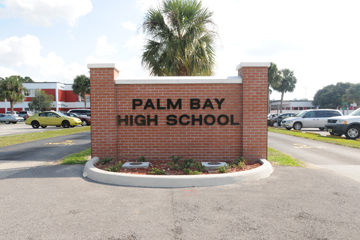
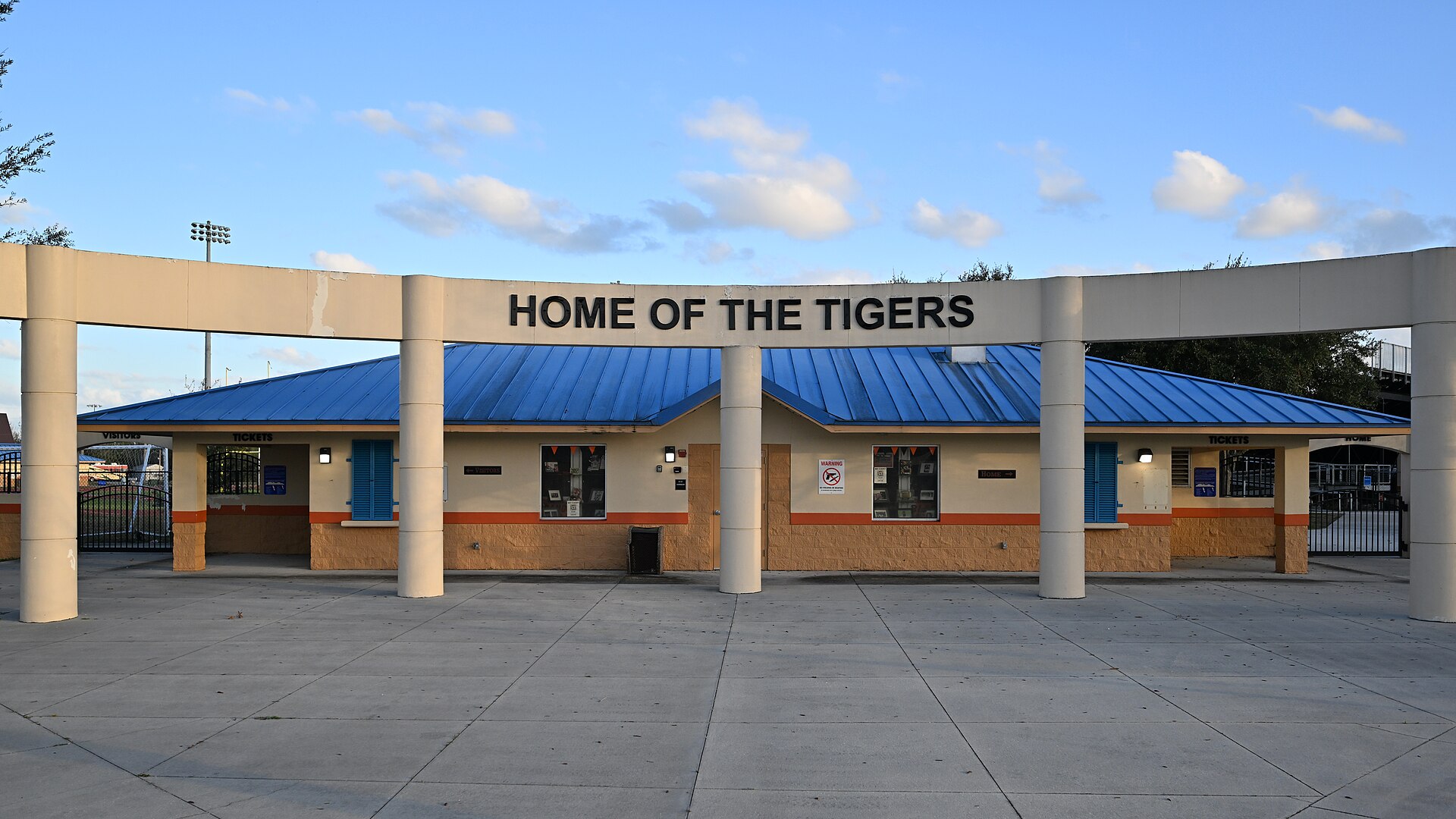
Palm Bay High School, the city’s first high school, opened in 1968. The Pirates have been the school’s mascot since the original team formation. The school is located on Jupiter Boulevard, originally serving the entire city.
For roughly two decades, Palm Bay High was the only high school within the city limits. Students from across Palm Bay attended, with bus routes covering substantial distances as the city grew westward into the GDC subdivisions. By the early 1990s, enrollment had pushed past the school’s design capacity.
Bayside High School opened in 1996 on Degroodt Road in south Palm Bay, splitting the city’s high school enrollment. Heritage High School followed later, opening in 2003 on Stadium Parkway in the Viera-adjacent northern portion of the city’s school zone (though Heritage is sometimes classified as Viera rather than Palm Bay depending on the boundary in question).
By the 2010s the Palm Bay area had three high schools serving its population. Even at three, capacity tracking has remained a concern; portable classrooms are routine at all of them during enrollment peaks.
The elementary and middle school growth
Elementary schools followed the residential development pattern. As GDC’s western and southwestern subdivisions filled in, new elementary schools were built to serve them. By the 1990s the Palm Bay area had over a dozen elementary schools. By the 2010s the count exceeded fifteen, with multiple new schools opening on the city’s western expansion edge.
Middle schools followed at slower pace, since middle schools draw from larger geographic areas. The current Palm Bay middle school inventory includes Stone Magnet Middle, Southwest Middle, and others, each serving sub-regions of the city.
The names of Palm Bay schools tend to follow Florida’s standard conventions: geographic features, GDC-era subdivision names, prominent local figures. There has not been a consistent thematic identity to the school names; new schools have generally been named after their immediate location or after a recently-honored individual.
The performance picture
Palm Bay’s schools have, across the period since the 1960s, performed near the Brevard County district average on standardized measures. The district itself has historically performed near or above the Florida state average, which is itself near the U.S. national average. None of this is exceptional; Palm Bay’s schools have been steady B-grade institutions by the most common state and federal measures.
There are exceptions in both directions. Some Palm Bay elementary schools serving the city’s lower-income neighborhoods have struggled with achievement metrics over various periods. Other Palm Bay schools, particularly those with magnet or specialty programs, have performed above the district average. The picture varies by school, by year, by metric.
This is the typical outcome for a large suburban district. The district averages mask considerable school-by-school variation. Palm Bay’s situation is not anomalous in this respect.
Capital projects and ballot measures
Brevard County voters have approved a series of school district capital bond measures over the decades. The half-cent sales tax authorization, passed in 2014, funded a sizeable Palm Bay-area capital program including additions, renovations, and new construction. Earlier bond measures funded earlier rounds of construction.
The pattern is consistent: voters approve capital funding, the district builds for several years, enrollment continues growing, and another funding measure is required. This is the structural finance pattern of Florida’s growing school districts and is not unique to Brevard.
The charter and alternative landscape
Florida’s charter school environment expanded substantially after 1996. Palm Bay’s charter school presence has grown along the state’s trajectory, with several charter operators serving city residents. The charter share of total enrollment in Palm Bay schools is in the range typical of Florida’s suburban areas, probably 10-15%, varying by year and grade level.
Private and religious schools serve a smaller share. Homeschooling has grown post-2020 along with the statewide trend. The mix of education options in Palm Bay is broadly similar to other Florida cities of comparable size and demographic profile.
The teacher and staffing picture
Brevard County School District employs thousands of teachers, administrators, and support staff across its Palm Bay schools. Staffing in Palm Bay, as across Florida, has been pressured since 2020 by general teacher shortage conditions, by retirement waves, and by various policy and political pressures on the teaching profession.
Specific Palm Bay schools have, at various points, struggled to fill teaching positions or have had higher-than-typical turnover. This is not unique to the city; it’s part of the statewide and national pattern. The district has used various retention and recruitment programs to address it.
What the long arc shows
The Palm Bay school system is, structurally, a function of GDC’s 1959-1990 development pattern. The school district had to build schools where the houses were built. Where GDC’s lots sold and houses got constructed, schools followed. Where GDC’s lots remained vacant, schools did not follow, with the consequence that some western parts of the city remain school-served by bus routes from further-east schools rather than by neighborhood schools.
The school inventory is uneven for the same reason. The older eastern Palm Bay schools, built in the 1960s and 1970s, sit on smaller lots and have smaller campuses than the newer western schools built since the 1990s on land that GDC’s plat left available at larger parcel sizes. The eastern schools have more constraints, the newer schools have more amenities, and the district has been gradually balancing investment across both.
Public education in Palm Bay is, for the bulk of the city’s population, the primary civic institution they interact with after their own residences. The schools are where children spend their days, where teachers and staff form a meaningful share of the city’s professional workforce, and where the bulk of the city’s social cohesion across neighborhoods happens.
The schools have grown with the city. They have struggled, sometimes, to grow fast enough. The pattern continues.
Further Reading
As an Amazon Associate we earn from qualifying purchases.