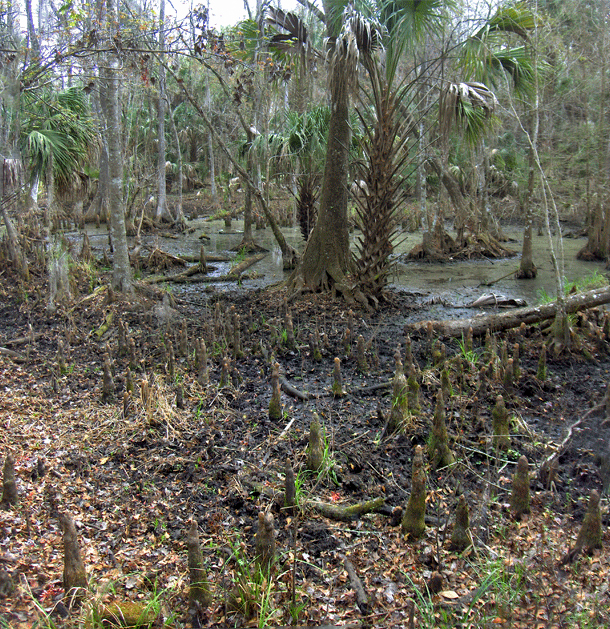
Palm Bay Florida Since 1925
From Tillman's Wharf to Brevard's largest city.
Palm Bay began as a citrus packing house at the mouth of Turkey Creek in 1870, got its Tillman post office in 1887 and its new name in 1925. It had 2,808 people in 1960 and 119,760 in 2020. This is the record of how that happened.
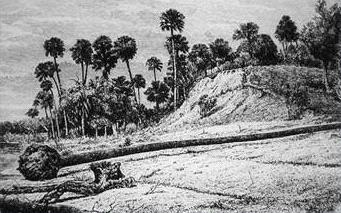
More from the archive
- Naming history
The 1925 renaming: how the Town of Tillman became the Town of Palm Bay
In 1924 the residents of unincorporated Tillman asked the Legislature for a charter as the Town of Palm Bay. It was granted in the 1925 session, and on December 16, 1925, the Post Office changed the town's post office name from Tillman to Palm Bay.
- Civic history
The 1987 Palm Bay shootings
On April 23, 1987, William Bryan Cruse Jr. opened fire at two Palm Bay shopping centers, killing six people, two of them Palm Bay police officers, and injuring ten. The Florida Supreme Court affirmed his convictions and death sentences in 1991. What the court's opinion records.
- Hurricanes
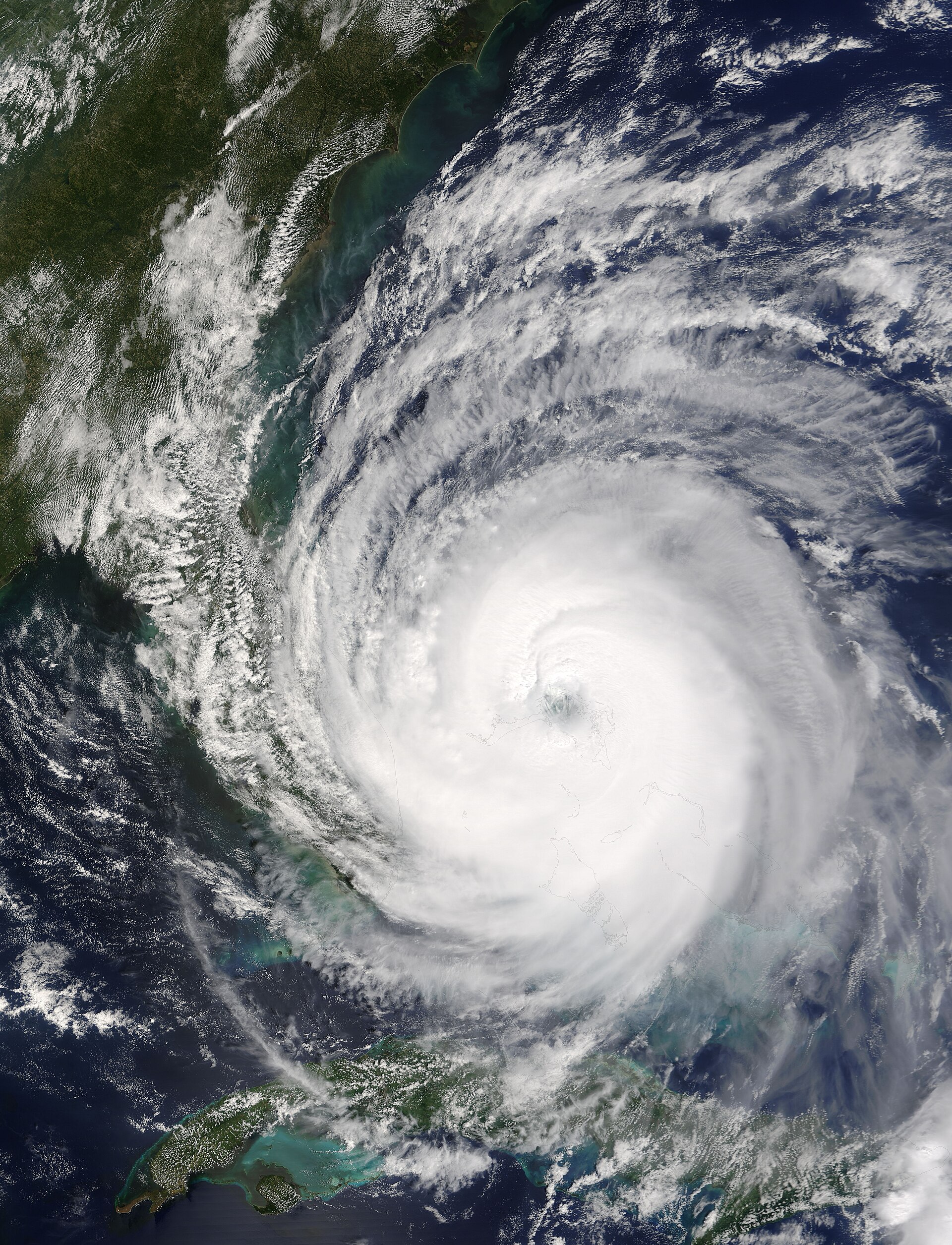
Hurricanes Frances and Jeanne (2004): Landfall Dates and Palm Bay's Damage
Frances came ashore on Hutchinson Island just after midnight on September 5, 2004, as a Category 2. Jeanne hit the same spot around midnight on September 25 to 26 as a Category 3. What the two storms did to Palm Bay and Brevard.
- GDC era
General Development Corporation: the fraud case, the bankruptcy and the reversal
General Development Corporation, the developer behind Palm Bay's Port Malabar, pleaded guilty to fraud over how it sold homes in the 1980s, set up a $169 million fund for buyers and filed for Chapter 11. Four of its executives were convicted; in April 1996 a federal appeals court reversed every conviction.
- Natural history
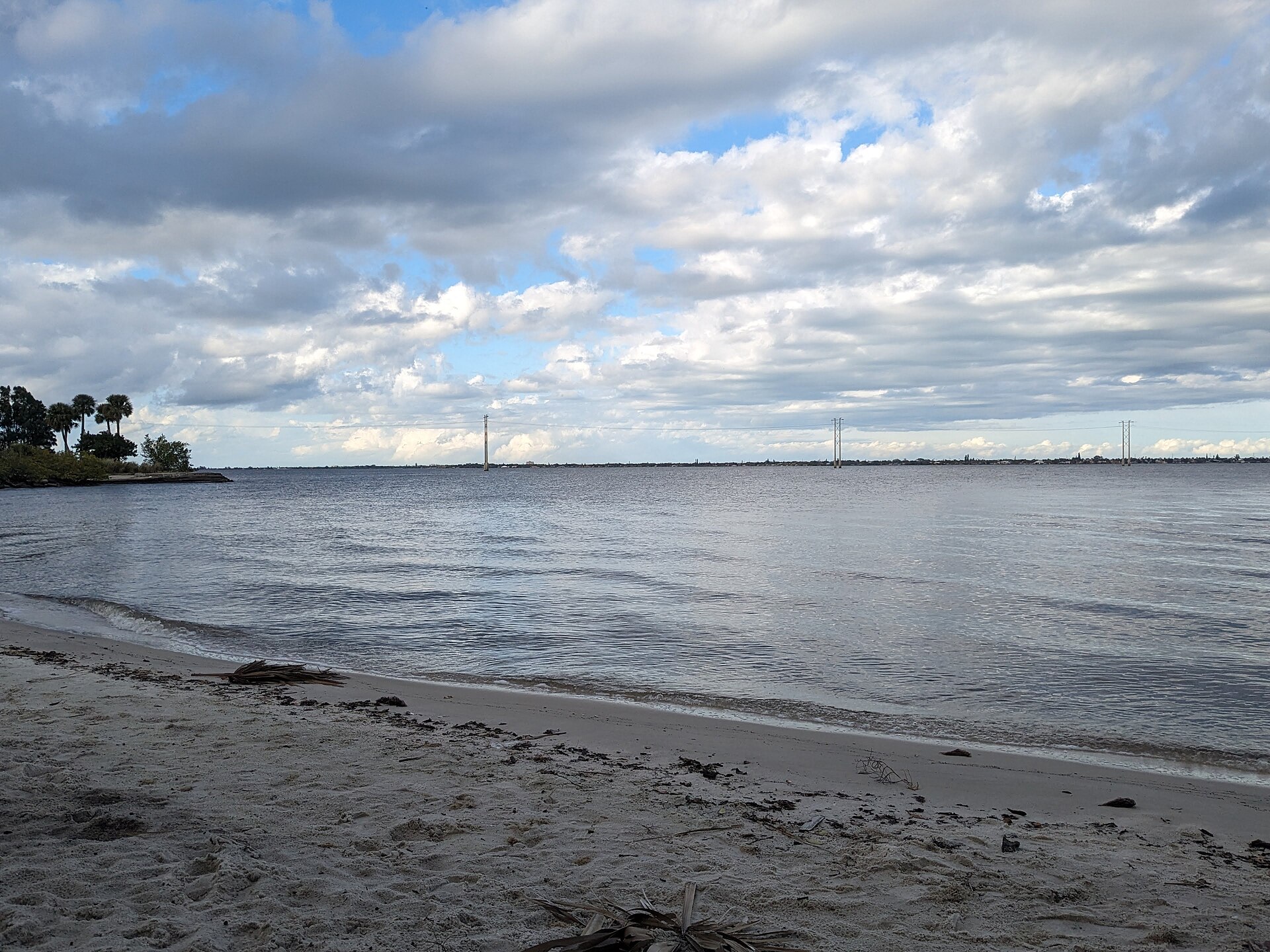
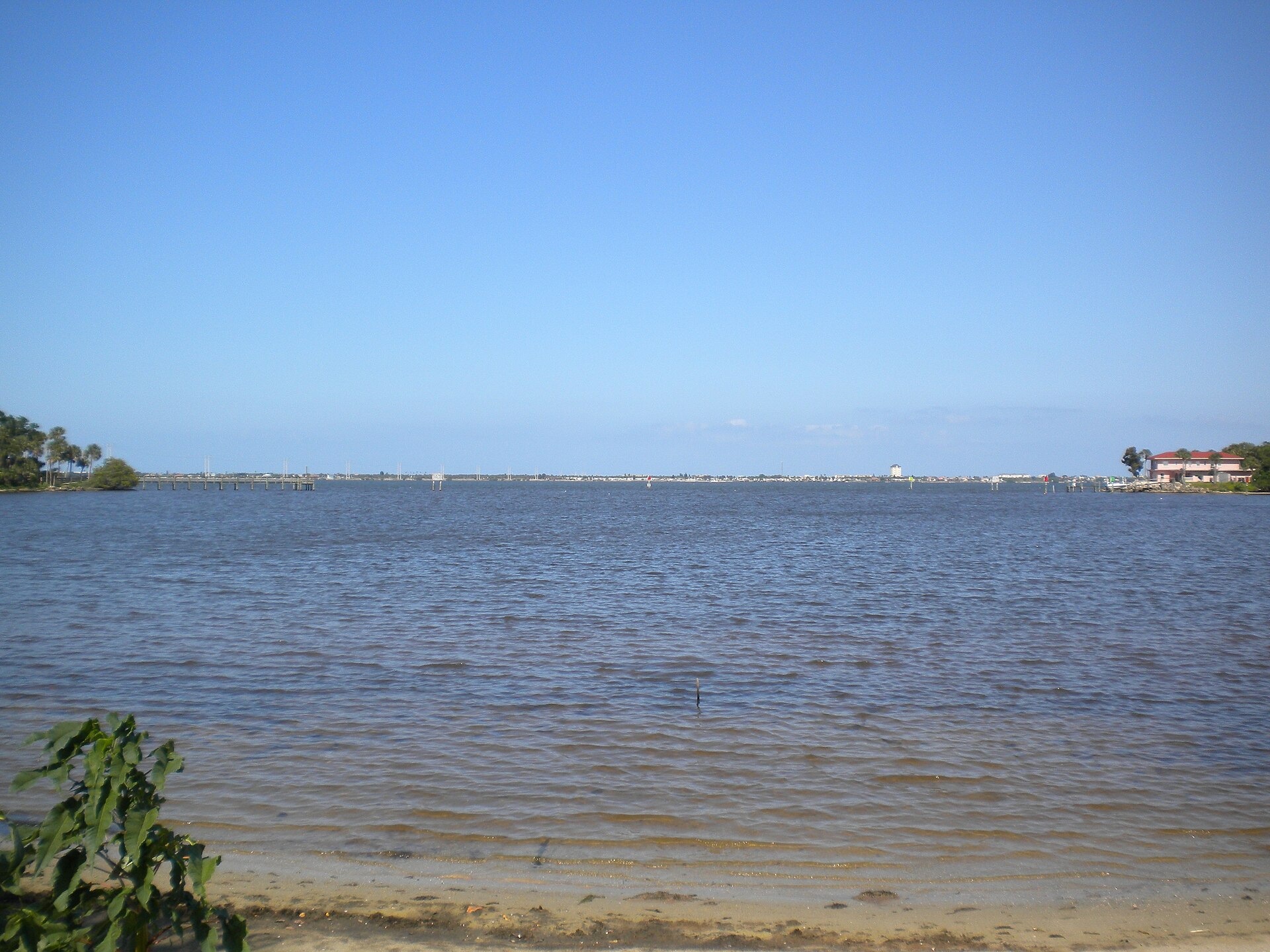
The Indian River Lagoon at Palm Bay: the 2011 blooms and after
Palm Bay lies on the central Indian River Lagoon. In 2011, while a superbloom covered the lagoon north of Eau Gallie, a second bloom of about 19,000 hectares covered the central lagoon from Eau Gallie south to Vero Beach and Fort Pierce. What the water district, the state and Brevard County record.
- Schools and sports
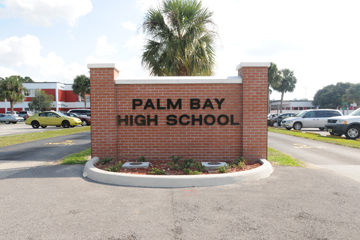
The Palm Bay High Pirates and their two state football titles
Palm Bay High School's Pirates won Florida state football championships in 2000, beating Dillard 10-6 in Class 6A, and in 2002, beating Jefferson 19-10 in Class 4A, according to the Florida High School Athletic Association's championship records.
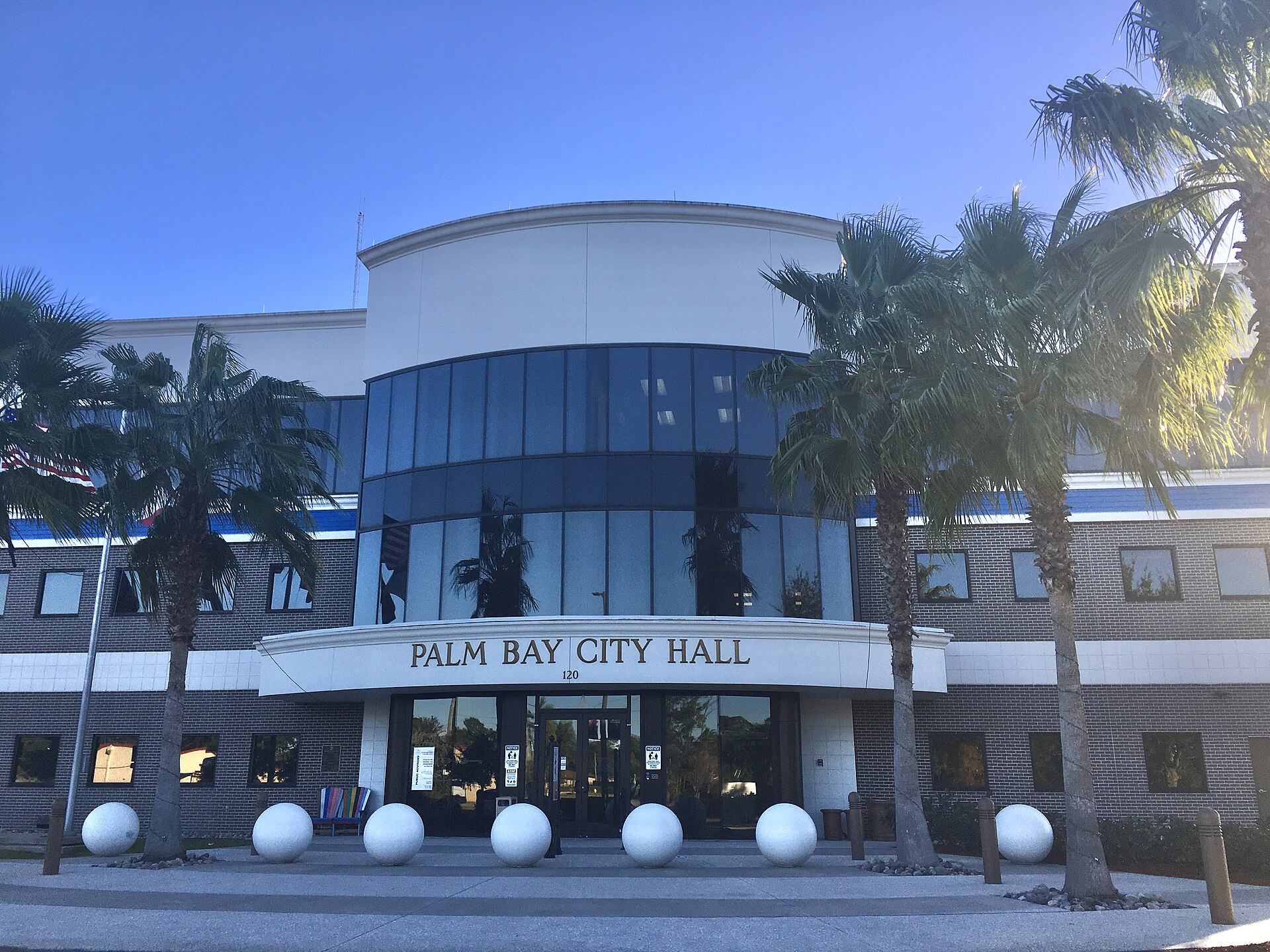
- Civic history
Palm Bay becomes a city, 1960
Palm Bay was incorporated as a town in 1925. In 1960, under Mayor Harry Pollak, it was incorporated as a city with 2,808 residents, according to the city's timeline. Its first school, fire station, bank and library followed between 1966 and 1984.
- Demographics
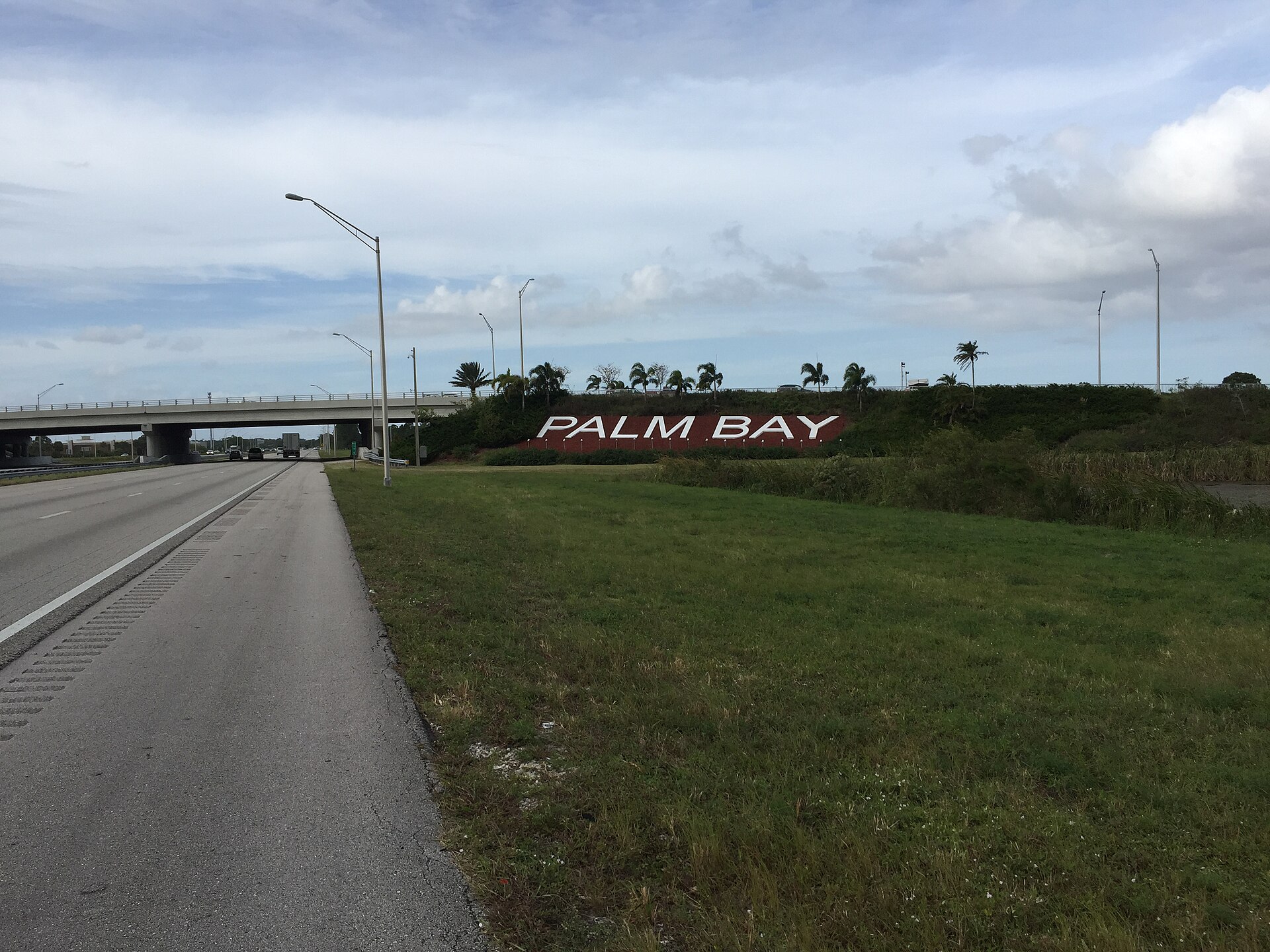
The Palm Bay population explosion, 1960 to 2020
Palm Bay had 2,808 people at the 1960 census, 18,560 in 1980 and 62,632 in 1990, when it became the most populous city in Brevard County. By the 2020 census it had 119,760, more than 42 times its 1960 count.
- Early settlement
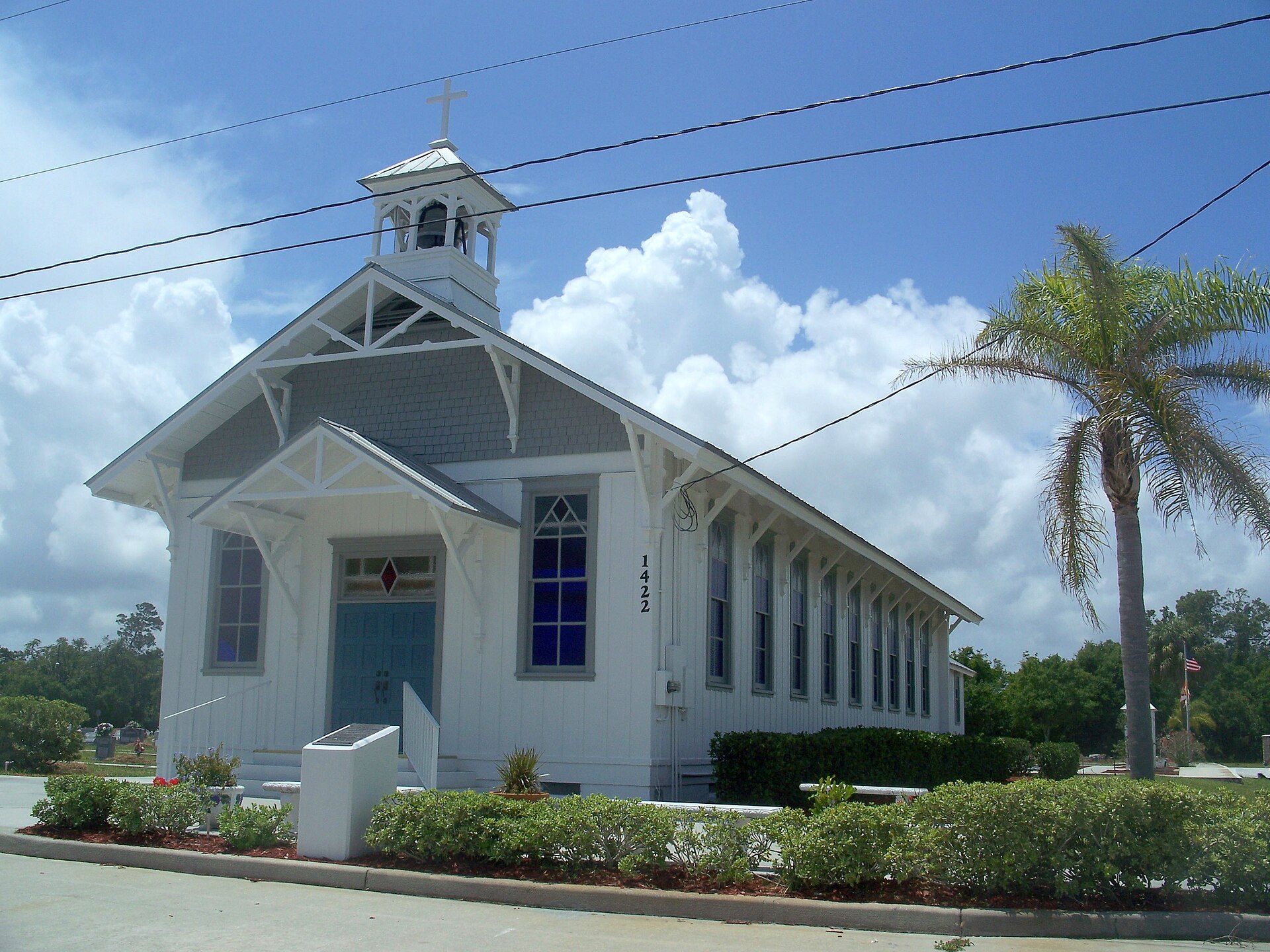
Tillman: what Palm Bay was called before 1925
Palm Bay began in 1870 as a citrus venture at the mouth of Turkey Creek. Its post office, Tillman, was established on March 4, 1887. After 1911 a Catholic colony company brought about 100 Midwestern families, who built St. Joseph's Church in 1914. What the National Register nomination for the church records.
Common questions about Palm Bay history
- What was Palm Bay called before it became Palm Bay?
Tillman. According to the National Register nomination for St. Joseph's Catholic Church, the settlement began in 1870, when John Tillman, J.B. Creech and M.J. Culpepper bought 75 acres on the Indian River for citrus and built a packing house at Tillman's Wharf, now Castaway Point, at the mouth of Turkey Creek. The Tillman post office was established on March 4, 1887.
- When did Tillman become Palm Bay?
In 1924 the citizens of unincorporated Tillman asked the Legislature for a charter as the Town of Palm Bay, and it was granted in the 1925 session. On December 16, 1925, the Post Office changed the local post office's name from Tillman to Palm Bay. The city's own timeline says the town's 200 residents petitioned for the change.
- What happened to General Development Corporation?
GDC, whose Port Malabar development is part of Palm Bay, pleaded guilty to fraud over how it sold homes in the 1980s, set up a $169 million fund for customers and filed for Chapter 11. Four of its executives were convicted after a nine-month trial, but on April 16, 1996, the federal appeals court in Atlanta reversed all four convictions, finding no scheme to deceive persons of ordinary prudence.
- How big has Palm Bay grown?
The census counted 2,808 people in Palm Bay in 1960, 18,560 in 1980 and 62,632 in 1990, when it became the most populous city in Brevard County. The 2020 census counted 119,760.